Asif Mahmood
There is no denying the importance of Jamiat Ulema-e-Islam as a political party, nor can Maulana Fazlur Rehman’s democratic struggle be dismissed. Yet the fact remains that JUI has also proved to be a vehicle for bringing family members to positions of power. It is, prima facie, a family fiefdom. JUI-F: Jamiat Ulema-e-Islam (Family).
Even Maulana’s political opponents often fall silent out of respect for him. But is it not a fact that democracy is nowhere to be seen within his party, and that its leadership is firmly in the grip of dynastic politics? When eminent religious scholars such as Maulana Sherani raised questions, they were shown the door.
Has anyone in the party ever dared to ask why nepotism prevails in the distribution of election tickets?
Distinguished religious scholars kept leaving the party after decades of association, while Maulana managed to get his own samdhi, Haji Ghulam Ali, appointed governor.
Haji Ghulam Ali is Maulana Fazlur Rehman’s “samdhi”, the father of his son-in-law. Before becoming governor, Haji Sahib had also served as the district nazim of Peshawar. And within a year of leaving the governor’s office, he was made a senator. In other words, he was the samdhi, the governor, the senator and the nazim of Peshawar.
When it came to choosing the mayor of Peshawar, Jamiat Ulema-e-Islam could not find a religious scholar for the job. Instead, the responsibility was entrusted to a young man named Zubair Ali, the son of Haji Ghulam Ali and the brother of Maulana Fazlur Rehman’s son-in-law.
One of Maulana’s brothers is Maulana Ata-ur-Rehman, who is a member of the Senate. In other words, he is a senator. He also carries the additional responsibility of serving as JUI’s provincial vice-president in Khyber Pakhtunkhwa. During the party’s internal elections, he even served as the election commissioner for the same province.
During the PPP government, Maulana Ata-ur-Rehman also served as federal minister for tourism. He has been elected to the National Assembly twice. In 2013, when Maulana Fazlur Rehman vacated an additional seat he had won, he fielded none other than his own brother, Maulana Ata-ur-Rehman, in the by-election.
Maulana’s second brother is named Lutaf-ur-Rehman. When the question of awarding a provincial assembly ticket from Dera Ismail Khan arose, Maulana placed this weighty responsibility on his brother’s delicate shoulders. After Lutaf-ur-Rehman won the election, the time came to appoint the leader of the opposition. Once again, Maulana’s choice turned out to be his own brother. Thus, Lutaf-ur-Rehman became the leader of the opposition and continued to enjoy the perks of the office.
Maulana’s third brother is Zia-ur-Rehman. During the blessed era of the Muttahida Majlis-e-Amal government, Zia-ur-Rehman was working as an assistant engineer at PTCL. In March 2005, on the chief minister’s orders, he was appointed project director at the Afghan Refugees Commission.
Two years later, Akram Khan Durrani, the chief minister of that Islamic government, issued a fresh notification declaring this brother of Maulana a “civil servant” and appointing him additional commissioner in the same Refugees Commission.
Meanwhile, the PML-N government came to power, and the Jamiat of the religious scholars of Islam became part of that government too. Akram Durrani was now a federal minister. Accordingly, another notification was issued in 2014, placing Zia-ur-Rehman’s services at the disposal of the Establishment Division and posting him to Khushab as a DCO. Thus, without taking the competitive examination, he became a deputy commissioner.
Two years later, he was transferred back to the Afghan Refugees Commission, this time as commissioner, a Grade 20 position. This is a truly astonishing example of how a government servant can rise through the ranks in Pakistan.
It is worth asking whether anyone in the history of Pakistan’s bureaucracy has ever become a deputy commissioner in this fashion before, and whether there is any possibility of someone attaining the same position through such a route in the future.
Maulana’s son, Asad Mahmood, has also served as a member of the National Assembly.
Shahida Akhtar Ali is Maulana’s sister-in-law. She has been made a member of the National Assembly twice.
Another sister-in-law, Nair Sultana, was also made a member of the National Assembly.
Then there is Rehana Ismail, yet another of Maulana’s sisters-in-law, who has served as a member of the provincial assembly.
In other words, there is little to distinguish Maulana’s politics from conventional dynastic politics. His party, too, is a fiefdom, albeit one on a somewhat smaller scale.
Does the F in JUI-F Stand for Family?
Published: October 17, 2026


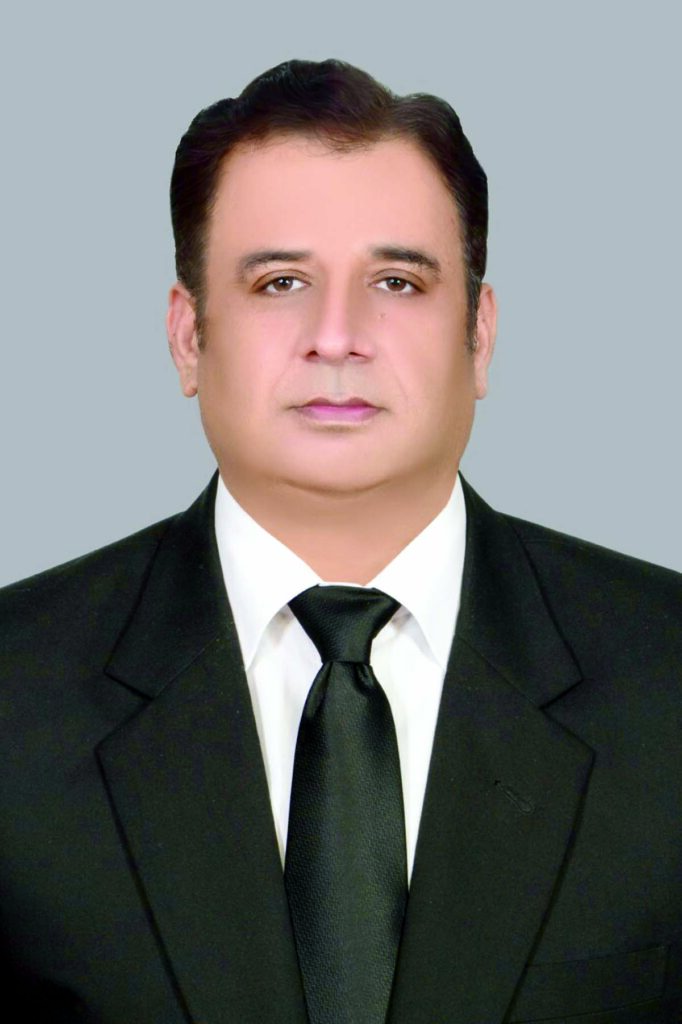
Asif Mahmood
There is no denying the importance of Jamiat Ulema-e-Islam as a political party, nor can Maulana Fazlur Rehman’s democratic struggle be dismissed. Yet the fact remains that JUI has also proved to be a vehicle for bringing family members to positions of power. It is, prima facie, a family fiefdom. JUI-F: Jamiat Ulema-e-Islam (Family).
Even Maulana’s political opponents often fall silent out of respect for him. But is it not a fact that democracy is nowhere to be seen within his party, and that its leadership is firmly in the grip of dynastic politics? When eminent religious scholars such as Maulana Sherani raised questions, they were shown the door.
Has anyone in the party ever dared to ask why nepotism prevails in the distribution of election tickets?
Distinguished religious scholars kept leaving the party after decades of association, while Maulana managed to get his own samdhi, Haji Ghulam Ali, appointed governor.
Haji Ghulam Ali is Maulana Fazlur Rehman’s “samdhi”, the father of his son-in-law. Before becoming governor, Haji Sahib had also served as the district nazim of Peshawar. And within a year of leaving the governor’s office, he was made a senator. In other words, he was the samdhi, the governor, the senator and the nazim of Peshawar.
When it came to choosing the mayor of Peshawar, Jamiat Ulema-e-Islam could not find a religious scholar for the job. Instead, the responsibility was entrusted to a young man named Zubair Ali, the son of Haji Ghulam Ali and the brother of Maulana Fazlur Rehman’s son-in-law.
One of Maulana’s brothers is Maulana Ata-ur-Rehman, who is a member of the Senate. In other words, he is a senator. He also carries the additional responsibility of serving as JUI’s provincial vice-president in Khyber Pakhtunkhwa. During the party’s internal elections, he even served as the election commissioner for the same province.
During the PPP government, Maulana Ata-ur-Rehman also served as federal minister for tourism. He has been elected to the National Assembly twice. In 2013, when Maulana Fazlur Rehman vacated an additional seat he had won, he fielded none other than his own brother, Maulana Ata-ur-Rehman, in the by-election.
Maulana’s second brother is named Lutaf-ur-Rehman. When the question of awarding a provincial assembly ticket from Dera Ismail Khan arose, Maulana placed this weighty responsibility on his brother’s delicate shoulders. After Lutaf-ur-Rehman won the election, the time came to appoint the leader of the opposition. Once again, Maulana’s choice turned out to be his own brother. Thus, Lutaf-ur-Rehman became the leader of the opposition and continued to enjoy the perks of the office.
Maulana’s third brother is Zia-ur-Rehman. During the blessed era of the Muttahida Majlis-e-Amal government, Zia-ur-Rehman was working as an assistant engineer at PTCL. In March 2005, on the chief minister’s orders, he was appointed project director at the Afghan Refugees Commission.
Two years later, Akram Khan Durrani, the chief minister of that Islamic government, issued a fresh notification declaring this brother of Maulana a “civil servant” and appointing him additional commissioner in the same Refugees Commission.
Meanwhile, the PML-N government came to power, and the Jamiat of the religious scholars of Islam became part of that government too. Akram Durrani was now a federal minister. Accordingly, another notification was issued in 2014, placing Zia-ur-Rehman’s services at the disposal of the Establishment Division and posting him to Khushab as a DCO. Thus, without taking the competitive examination, he became a deputy commissioner.
Two years later, he was transferred back to the Afghan Refugees Commission, this time as commissioner, a Grade 20 position. This is a truly astonishing example of how a government servant can rise through the ranks in Pakistan.
It is worth asking whether anyone in the history of Pakistan’s bureaucracy has ever become a deputy commissioner in this fashion before, and whether there is any possibility of someone attaining the same position through such a route in the future.
Maulana’s son, Asad Mahmood, has also served as a member of the National Assembly.
Shahida Akhtar Ali is Maulana’s sister-in-law. She has been made a member of the National Assembly twice.
Another sister-in-law, Nair Sultana, was also made a member of the National Assembly.
Then there is Rehana Ismail, yet another of Maulana’s sisters-in-law, who has served as a member of the provincial assembly.
In other words, there is little to distinguish Maulana’s politics from conventional dynastic politics. His party, too, is a fiefdom, albeit one on a somewhat smaller scale.