Daily The Patriot

Health and education

Link copied!

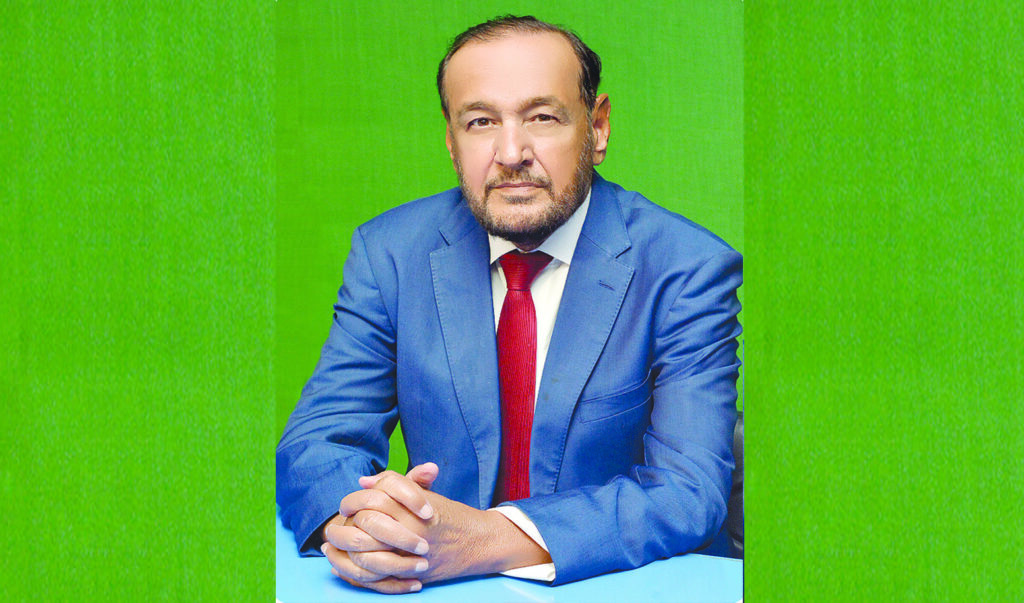
By Sardar Khan Niazi

In Pakistan, health and education must be treated as essential public responsibilities, not privileges reserved for those who can afford them. The Constitution of Pakistan provides a clear foundation for this principle. Article 25-A obliges the state to provide free and compulsory education to all children between the ages of five and 16. Article 38(d), meanwhile, directs the state to provide basic necessities, including education and medical relief, to citizens who are unable to earn their livelihood because of infirmity, sickness or unemployment. Articles 9 and 14, concerning the security of life and the inviolability of human dignity, also inform the broader constitutional debate about access to essential public services. Education is the foundation of an informed, productive and democratic society. When children are deprived of schooling, the consequences extend far beyond the classroom: poverty deepens, inequality persists and opportunities become concentrated in the hands of a privileged few. According to reporting on the Pakistan Economic Survey 2024-25, girls face additional barriers in areas where poverty, insecurity, inadequate transport and social restrictions limit their access to education. Article 25-A cannot be fulfilled merely by opening school buildings or announcing new schemes. The state must ensure that children can attend school, remain there and receive a meaningful education. This requires adequate funding, competent teachers, safe classrooms, transparent administration and effective monitoring. The right to health is equally important to human dignity. A person who cannot afford medical treatment, a pregnant woman unable to reach a properly equipped health facility, or a child suffering from a preventable illness cannot fully exercise the opportunities that education and economic development are supposed to provide. Pakistan’s constitutional framework recognizes medical relief as part of the state’s social and economic responsibilities. However, access to healthcare remains uneven. Families in rural districts and low-income urban communities often face difficulties obtaining affordable treatment, essential medicines, diagnostic services and specialist care. A functional healthcare system must therefore extend beyond large urban hospitals. It requires adequately staffed basic health units, rural health centers, functioning emergency services, reliable supplies of essential medicines, preventive healthcare and effective maternal and child health programs. Prevention must receive as much attention as treatment. Clean drinking water, sanitation, vaccination, nutrition and public awareness can reduce disease and ease pressure on hospitals. Following the Eighteenth Amendment, provinces have a central role in managing these sectors. Effective cooperation among federal, provincial and local institutions is therefore essential. The first priority should be to align public spending with the scale of public need. Budget announcements must translate into functioning schools, available teachers, stocked clinics and accessible medical care. Allocations should be assessed not only by the amounts announced but also by the money actually spent and the results achieved. Second, public funds must be protected through transparent procurement, independent audits and meaningful accountability. Citizens deserve to know whether allocated resources have reached their intended destinations and whether public institutions are delivering measurable improvements. Third, governments should give greater attention to disadvantaged communities. Rural populations, low-income families, children with disabilities and communities with persistently poor service coverage require targeted support. Equal treatment does not always mean identical spending everywhere; it may require greater investment where deprivation is most severe. Fourth, citizens must have effective channels through which to raise complaints. School management committees, local health oversight bodies, public information systems and accessible grievance mechanisms can help communities identify problems and demand corrective action. Article 25-A provides an express constitutional right to education for children aged five to 16, while Article 38 sets out the state’s responsibilities concerning basic necessities and medical relief for vulnerable citizens. These provisions should guide public policy, budgetary decisions and institutional accountability.  Pakistan’s constitutional commitments will acquire real meaning only when they are visible in classrooms, hospitals and communities across the country.

Leave a Reply

Your email address will not be published. Required fields are marked *

Health and education

Link copied!

By Sardar Khan Niazi

In Pakistan, health and education must be treated as essential public responsibilities, not privileges reserved for those who can afford them. The Constitution of Pakistan provides a clear foundation for this principle. Article 25-A obliges the state to provide free and compulsory education to all children between the ages of five and 16. Article 38(d), meanwhile, directs the state to provide basic necessities, including education and medical relief, to citizens who are unable to earn their livelihood because of infirmity, sickness or unemployment. Articles 9 and 14, concerning the security of life and the inviolability of human dignity, also inform the broader constitutional debate about access to essential public services. Education is the foundation of an informed, productive and democratic society. When children are deprived of schooling, the consequences extend far beyond the classroom: poverty deepens, inequality persists and opportunities become concentrated in the hands of a privileged few. According to reporting on the Pakistan Economic Survey 2024-25, girls face additional barriers in areas where poverty, insecurity, inadequate transport and social restrictions limit their access to education. Article 25-A cannot be fulfilled merely by opening school buildings or announcing new schemes. The state must ensure that children can attend school, remain there and receive a meaningful education. This requires adequate funding, competent teachers, safe classrooms, transparent administration and effective monitoring. The right to health is equally important to human dignity. A person who cannot afford medical treatment, a pregnant woman unable to reach a properly equipped health facility, or a child suffering from a preventable illness cannot fully exercise the opportunities that education and economic development are supposed to provide. Pakistan’s constitutional framework recognizes medical relief as part of the state’s social and economic responsibilities. However, access to healthcare remains uneven. Families in rural districts and low-income urban communities often face difficulties obtaining affordable treatment, essential medicines, diagnostic services and specialist care. A functional healthcare system must therefore extend beyond large urban hospitals. It requires adequately staffed basic health units, rural health centers, functioning emergency services, reliable supplies of essential medicines, preventive healthcare and effective maternal and child health programs. Prevention must receive as much attention as treatment. Clean drinking water, sanitation, vaccination, nutrition and public awareness can reduce disease and ease pressure on hospitals. Following the Eighteenth Amendment, provinces have a central role in managing these sectors. Effective cooperation among federal, provincial and local institutions is therefore essential. The first priority should be to align public spending with the scale of public need. Budget announcements must translate into functioning schools, available teachers, stocked clinics and accessible medical care. Allocations should be assessed not only by the amounts announced but also by the money actually spent and the results achieved. Second, public funds must be protected through transparent procurement, independent audits and meaningful accountability. Citizens deserve to know whether allocated resources have reached their intended destinations and whether public institutions are delivering measurable improvements. Third, governments should give greater attention to disadvantaged communities. Rural populations, low-income families, children with disabilities and communities with persistently poor service coverage require targeted support. Equal treatment does not always mean identical spending everywhere; it may require greater investment where deprivation is most severe. Fourth, citizens must have effective channels through which to raise complaints. School management committees, local health oversight bodies, public information systems and accessible grievance mechanisms can help communities identify problems and demand corrective action. Article 25-A provides an express constitutional right to education for children aged five to 16, while Article 38 sets out the state’s responsibilities concerning basic necessities and medical relief for vulnerable citizens. These provisions should guide public policy, budgetary decisions and institutional accountability.  Pakistan’s constitutional commitments will acquire real meaning only when they are visible in classrooms, hospitals and communities across the country.

Leave a Reply

Your email address will not be published. Required fields are marked *