Asif Mahmood
When in power, our rulers have little interest in reforming the prison system. But the moment they land behind bars, they discover its every flaw, its every cruelty, and suddenly present themselves as the most oppressed people on earth. Once released, however, they forget it all. The question is: why?
The answer is not hard to find. They know that prison, for them, is seldom a place of real hardship. It is merely a brief interruption before they return to the business of power. The moment they enter a jail, special medical units are arranged, spacious cells are set aside, and food far beyond the reach of ordinary prisoners is served.
The issue is not that elite prisoners receive medical treatment or special facilities when genuinely needed. They should. The real question is why such care and concern seem to be reserved for them alone. When will the ordinary prisoner be afforded the same basic dignity, medical care and humane treatment that we so readily demand for the powerful?
Sometimes, an entire floor of a private hospital is cleared for a single VIP prisoner, while elsewhere we read of children dying because no hospital bed was available for them. The contrast could hardly be more absurd: when the powerful fall ill, hospitals make room for them; when an ordinary child needs treatment, there may not even be a bed. Yet the message from the system seems clear: Your Majesty, the others can wait. Please take your place. May your glory forever shine.
According to statistics from a few years ago, 20 prisoners died of heart and liver diseases in Rawalpindi alone in a single year. Yet did anyone ever open a hospital door for them? Forget an entire floor. Was even a single bed in a hospital ever made available to them?
We are quick to concern ourselves with the delicate sensibilities of the ruling elite. We are told that a gentleman’s anxiety has risen, that his blood pressure is elevated, or that his mental well-being requires special attention. But has anyone ever stopped to ask about the 3,499 women languishing in our prisons? What are their living conditions? Is their dignity and self-respect protected? What of their anxiety, their fears, their health and their most basic medical needs?
When a member of the ruling elite is imprisoned, a special cell is set aside for him. Can anyone explain, then, why our prisons cannot provide even a separate room for pregnant women?
Special medical teams are deployed for elite prisoners. Can anyone tell us how many gynaecologists are available in our prisons to care for those three and a half thousand women?
And those who can allocate several rooms to a single elite prisoner should answer an even simpler question: why are 40 prisoners crammed into a room built for 10?
Adiala Jail was built to accommodate 1,900 prisoners. Why, then, are more than 5,000 being held there today? What does this tell us about the way we treat those behind bars? Are we talking about human beings, entitled to dignity and basic living conditions, or are we simply herding them together like animals?
And the problem extends far beyond Adiala. Our prisons have a combined capacity of around 46,000 inmates, yet some 84,000 prisoners are being held in them. What kind of prison system leaves nearly twice as many people behind bars as it was built to accommodate?
When a scion of one of our royal families lands in jail, an entire floor of a private hospital can be cleared for his treatment and peace of mind. But what about the ordinary prisoners? Most of our prison hospitals do not even have basic diagnostic facilities such as ECG machines, while X-ray facilities are available in only four. This is despite Section 39 of the Prisons Act requiring every prison to have a hospital.
The neglect does not end there. More than half of our prisons do not even have fans. When temperatures soar to 40 degrees Celsius, prisoners are left to endure the heat with little more than whatever cross-ventilation their cells provide. An Amnesty International report says that in 11 prisons, inmates are forced to relieve themselves in full view of one another.
Yet has anyone ever stopped to ask what life is actually like for an ordinary prisoner?
A Curious Case for Jail Reforms
Published: August 22, 2026


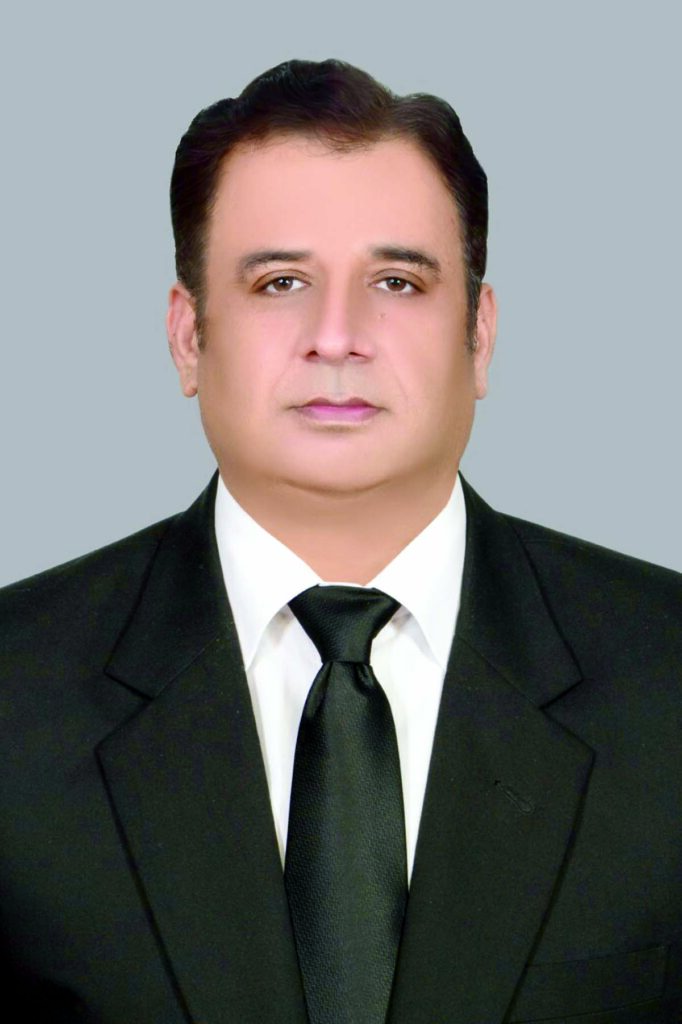
Asif Mahmood
When in power, our rulers have little interest in reforming the prison system. But the moment they land behind bars, they discover its every flaw, its every cruelty, and suddenly present themselves as the most oppressed people on earth. Once released, however, they forget it all. The question is: why?
The answer is not hard to find. They know that prison, for them, is seldom a place of real hardship. It is merely a brief interruption before they return to the business of power. The moment they enter a jail, special medical units are arranged, spacious cells are set aside, and food far beyond the reach of ordinary prisoners is served.
The issue is not that elite prisoners receive medical treatment or special facilities when genuinely needed. They should. The real question is why such care and concern seem to be reserved for them alone. When will the ordinary prisoner be afforded the same basic dignity, medical care and humane treatment that we so readily demand for the powerful?
Sometimes, an entire floor of a private hospital is cleared for a single VIP prisoner, while elsewhere we read of children dying because no hospital bed was available for them. The contrast could hardly be more absurd: when the powerful fall ill, hospitals make room for them; when an ordinary child needs treatment, there may not even be a bed. Yet the message from the system seems clear: Your Majesty, the others can wait. Please take your place. May your glory forever shine.
According to statistics from a few years ago, 20 prisoners died of heart and liver diseases in Rawalpindi alone in a single year. Yet did anyone ever open a hospital door for them? Forget an entire floor. Was even a single bed in a hospital ever made available to them?
We are quick to concern ourselves with the delicate sensibilities of the ruling elite. We are told that a gentleman’s anxiety has risen, that his blood pressure is elevated, or that his mental well-being requires special attention. But has anyone ever stopped to ask about the 3,499 women languishing in our prisons? What are their living conditions? Is their dignity and self-respect protected? What of their anxiety, their fears, their health and their most basic medical needs?
When a member of the ruling elite is imprisoned, a special cell is set aside for him. Can anyone explain, then, why our prisons cannot provide even a separate room for pregnant women?
Special medical teams are deployed for elite prisoners. Can anyone tell us how many gynaecologists are available in our prisons to care for those three and a half thousand women?
And those who can allocate several rooms to a single elite prisoner should answer an even simpler question: why are 40 prisoners crammed into a room built for 10?
Adiala Jail was built to accommodate 1,900 prisoners. Why, then, are more than 5,000 being held there today? What does this tell us about the way we treat those behind bars? Are we talking about human beings, entitled to dignity and basic living conditions, or are we simply herding them together like animals?
And the problem extends far beyond Adiala. Our prisons have a combined capacity of around 46,000 inmates, yet some 84,000 prisoners are being held in them. What kind of prison system leaves nearly twice as many people behind bars as it was built to accommodate?
When a scion of one of our royal families lands in jail, an entire floor of a private hospital can be cleared for his treatment and peace of mind. But what about the ordinary prisoners? Most of our prison hospitals do not even have basic diagnostic facilities such as ECG machines, while X-ray facilities are available in only four. This is despite Section 39 of the Prisons Act requiring every prison to have a hospital.
The neglect does not end there. More than half of our prisons do not even have fans. When temperatures soar to 40 degrees Celsius, prisoners are left to endure the heat with little more than whatever cross-ventilation their cells provide. An Amnesty International report says that in 11 prisons, inmates are forced to relieve themselves in full view of one another.
Yet has anyone ever stopped to ask what life is actually like for an ordinary prisoner?