Daily The Patriot

What Is the Real Objective of the Kashmir Action Committee?

Link copied!

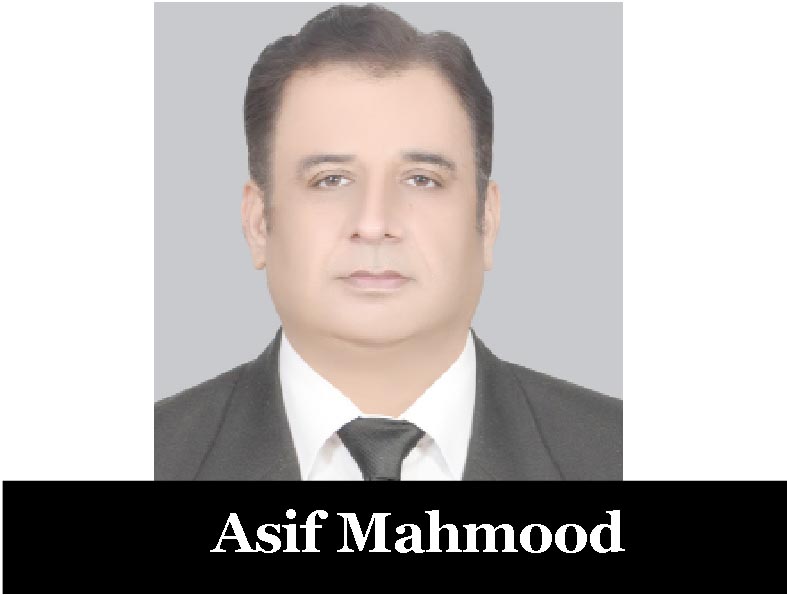
By Asif Mahmood

The late Allama Saqib Akbar was a remarkably gracious, serious, and composed personality. He was perhaps also the Secretary General of the Milli Yakjehti Council. I used to invite him to television talk shows on religious subjects, and he was always kind enough to oblige. Over time, however, I began to realise that his expertise was not confined to religious scholarship. He possessed an extraordinary grasp of contemporary politics and international affairs as well.

One day, during a discussion on CPEC, he remarked:

“Asif Sahib, by then we may or may not still be around, but remember this. After CPEC, a time will come when India itself will say: come, let us hold a plebiscite in Kashmir. In fact, it will demand it.”

“India will agree to a plebiscite?” I asked in surprise.

“Not merely agree,” he replied. “It will actively demand one, because one of its major concerns will be the CPEC route through Gilgit Baltistan. It will seek to use the plebiscite as a means of sabotaging CPEC.”

For me, this was a startling analysis. We discussed it briefly and agreed to sit together again sometime to explore the matter further.

What matters, however, is what happened afterwards.

India revoked the special status of occupied Kashmir.

It began settling Indians there.

It started issuing domicile certificates to non Kashmiris.

It began altering the demographic composition of occupied Kashmir.

A little more time will pass, and the population ratio in occupied Kashmir will be transformed altogether.

Once this constitutional engineering succeeded in occupied Kashmir and the demographic balance of the region began to change, an interesting parallel emerged.

Now let us turn to Azad Kashmir.

A movement was launched in the name of rights. Certain demands were raised. When those demands were accepted, new demands followed. Eventually, the debate reached a point where the demand was made to abolish the refugee seats.

In other words, before any future plebiscite, an attempt appears to be underway to alter the demographic and political equation in Azad Kashmir just as the demographic balance has been altered in occupied Kashmir.

The slogan is rights. The public has, as usual, been mobilised in the name of rights. Yet very few people seem to know who is actually strategising this movement.

We are told that the refugee seats are used for electoral manipulation.

That raises a few questions.

The first question is this: nationalist groups have never really participated in electoral politics. Why, then, have these seats suddenly become such a matter of concern for them in the name of electoral reform?

The second question is this: the political parties that actually contest elections are not demanding the abolition of refugee seats. Why are those who do not take part in elections displaying such intense concern over them?

The third and most important question is this: what is the real objective?

Is the goal genuinely electoral reform?

Or is the real objective to facilitate a process that could eventually alter the demographic and political equation connected to the Kashmir dispute?

Leave a Reply

Your email address will not be published. Required fields are marked *

What Is the Real Objective of the Kashmir Action Committee?

Link copied!

By Asif Mahmood

The late Allama Saqib Akbar was a remarkably gracious, serious, and composed personality. He was perhaps also the Secretary General of the Milli Yakjehti Council. I used to invite him to television talk shows on religious subjects, and he was always kind enough to oblige. Over time, however, I began to realise that his expertise was not confined to religious scholarship. He possessed an extraordinary grasp of contemporary politics and international affairs as well.

One day, during a discussion on CPEC, he remarked:

“Asif Sahib, by then we may or may not still be around, but remember this. After CPEC, a time will come when India itself will say: come, let us hold a plebiscite in Kashmir. In fact, it will demand it.”

“India will agree to a plebiscite?” I asked in surprise.

“Not merely agree,” he replied. “It will actively demand one, because one of its major concerns will be the CPEC route through Gilgit Baltistan. It will seek to use the plebiscite as a means of sabotaging CPEC.”

For me, this was a startling analysis. We discussed it briefly and agreed to sit together again sometime to explore the matter further.

What matters, however, is what happened afterwards.

India revoked the special status of occupied Kashmir.

It began settling Indians there.

It started issuing domicile certificates to non Kashmiris.

It began altering the demographic composition of occupied Kashmir.

A little more time will pass, and the population ratio in occupied Kashmir will be transformed altogether.

Once this constitutional engineering succeeded in occupied Kashmir and the demographic balance of the region began to change, an interesting parallel emerged.

Now let us turn to Azad Kashmir.

A movement was launched in the name of rights. Certain demands were raised. When those demands were accepted, new demands followed. Eventually, the debate reached a point where the demand was made to abolish the refugee seats.

In other words, before any future plebiscite, an attempt appears to be underway to alter the demographic and political equation in Azad Kashmir just as the demographic balance has been altered in occupied Kashmir.

The slogan is rights. The public has, as usual, been mobilised in the name of rights. Yet very few people seem to know who is actually strategising this movement.

We are told that the refugee seats are used for electoral manipulation.

That raises a few questions.

The first question is this: nationalist groups have never really participated in electoral politics. Why, then, have these seats suddenly become such a matter of concern for them in the name of electoral reform?

The second question is this: the political parties that actually contest elections are not demanding the abolition of refugee seats. Why are those who do not take part in elections displaying such intense concern over them?

The third and most important question is this: what is the real objective?

Is the goal genuinely electoral reform?

Or is the real objective to facilitate a process that could eventually alter the demographic and political equation connected to the Kashmir dispute?

Leave a Reply

Your email address will not be published. Required fields are marked *