Daily The Patriot

The Consequences of Weaponising Freedom of Expression 

Link copied!

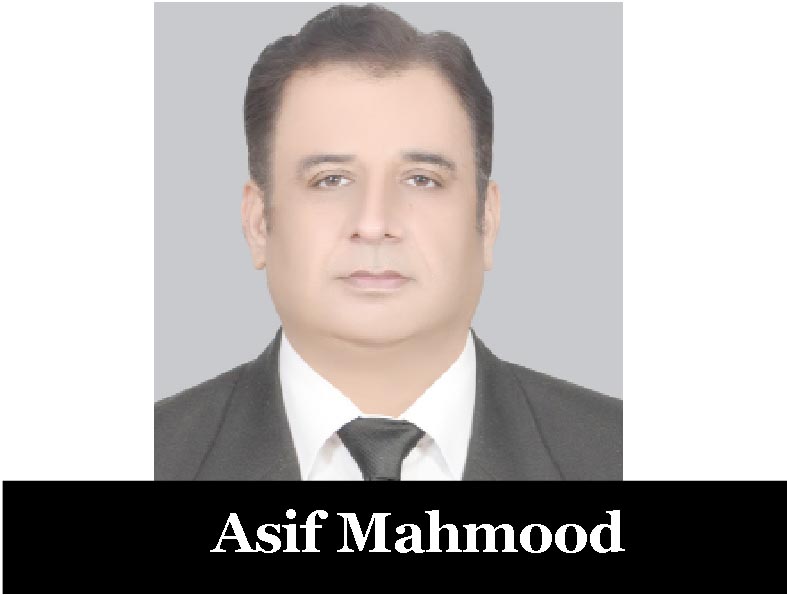
Asif Mahmood

Most of you may not like what I am about to say. That, however, makes little difference.

Those who have been reading me for years know that I have repeatedly argued that the freedoms of speech, expression, assembly, and protest were being misused in Pakistan to such an extent that the situation could not continue indefinitely. In fact, these freedoms were not merely being misused; they were being weaponised. This was never simply a Pakistani issue. No state in the world can indefinitely tolerate the kind of chaos that emerges when constitutional freedoms are turned into instruments of disruption.

We have all witnessed what became of freedom of expression in Pakistan. Anyone who disagreed was subjected to relentless abuse. Critics, opponents, judges, state institutions, national figures, and even the country’s martyrs were dragged into campaigns of ridicule and humiliation. Public discourse ceased to be a contest of ideas and increasingly became an exercise in character assassination.

The same happened with the right to protest. Under the banner of democratic freedoms, the country was pushed into a cycle of perpetual agitation. One day a march on Islamabad, the next day another mobilisation somewhere else. Roads blocked, cities paralysed, daily life disrupted, businesses affected, and economic activity brought to a standstill. What was presented as democratic activism often resembled a strategy of exhausting the state and society alike.

No political party exploited these freedoms more aggressively than Pakistan Tehreek e Insaf. Constitutional rights were stretched to their limits and then converted into political weapons. Abusive rhetoric, social media intimidation, confrontation, provocation, and disorder became central features of political mobilisation. This was the logical culmination of a politics driven by outrage.

Such a model was never sustainable.

Societies can absorb periods of tension. Nations can endure moments of political upheaval. What they cannot accept as a permanent condition is continuous agitation, continuous disruption, continuous hostility, and continuous attempts to keep the public sphere in a state of fever pitch. There comes a point when a society pushes back. There comes a point when the system seeks to restore order. This is not unique to Pakistan. It is a recurring pattern throughout history.

That point has now arrived. The political space that once seemed limitless is shrinking. One may criticise this development and many undoubtedly will. But those who are surprised by it should also recognise the role their own conduct played in producing it. The excesses of yesterday have shaped the realities of today.

Populism thrives on constant excitement and permanent confrontation. It was further amplified by sections of the media that treated political instability as a commercial opportunity. They fed the flames because outrage generated attention, and attention generated ratings.

The outcome was always predictable.

Even now, political avenues remain open. The party continues to govern Khyber Pakhtunkhwa. Constitutional politics remains available to anyone willing to pursue it. If political actors choose dialogue, organisation, electoral mobilisation, and parliamentary engagement over perpetual agitation, many doors that appear closed today can still reopen tomorrow.

But if the belief remains that every challenge can be addressed through confrontation, inflammatory rhetoric, and attempts to bring the state to its knees through street power, then the experiment can certainly be repeated.

Organise another protest. Block more roads. Shut down more cities. Gather supporters from Kashmir to Karachi and test once again the proposition that disruption is a substitute for politics. And while doing so, do not forget to invite those media vultures who played their own part in keeping the fire burning.

The result, however, is unlikely to be any different from the one we are witnessing today.

Leave a Reply

Your email address will not be published. Required fields are marked *

The Consequences of Weaponising Freedom of Expression 

Link copied!

Asif Mahmood

Most of you may not like what I am about to say. That, however, makes little difference.

Those who have been reading me for years know that I have repeatedly argued that the freedoms of speech, expression, assembly, and protest were being misused in Pakistan to such an extent that the situation could not continue indefinitely. In fact, these freedoms were not merely being misused; they were being weaponised. This was never simply a Pakistani issue. No state in the world can indefinitely tolerate the kind of chaos that emerges when constitutional freedoms are turned into instruments of disruption.

We have all witnessed what became of freedom of expression in Pakistan. Anyone who disagreed was subjected to relentless abuse. Critics, opponents, judges, state institutions, national figures, and even the country’s martyrs were dragged into campaigns of ridicule and humiliation. Public discourse ceased to be a contest of ideas and increasingly became an exercise in character assassination.

The same happened with the right to protest. Under the banner of democratic freedoms, the country was pushed into a cycle of perpetual agitation. One day a march on Islamabad, the next day another mobilisation somewhere else. Roads blocked, cities paralysed, daily life disrupted, businesses affected, and economic activity brought to a standstill. What was presented as democratic activism often resembled a strategy of exhausting the state and society alike.

No political party exploited these freedoms more aggressively than Pakistan Tehreek e Insaf. Constitutional rights were stretched to their limits and then converted into political weapons. Abusive rhetoric, social media intimidation, confrontation, provocation, and disorder became central features of political mobilisation. This was the logical culmination of a politics driven by outrage.

Such a model was never sustainable.

Societies can absorb periods of tension. Nations can endure moments of political upheaval. What they cannot accept as a permanent condition is continuous agitation, continuous disruption, continuous hostility, and continuous attempts to keep the public sphere in a state of fever pitch. There comes a point when a society pushes back. There comes a point when the system seeks to restore order. This is not unique to Pakistan. It is a recurring pattern throughout history.

That point has now arrived. The political space that once seemed limitless is shrinking. One may criticise this development and many undoubtedly will. But those who are surprised by it should also recognise the role their own conduct played in producing it. The excesses of yesterday have shaped the realities of today.

Populism thrives on constant excitement and permanent confrontation. It was further amplified by sections of the media that treated political instability as a commercial opportunity. They fed the flames because outrage generated attention, and attention generated ratings.

The outcome was always predictable.

Even now, political avenues remain open. The party continues to govern Khyber Pakhtunkhwa. Constitutional politics remains available to anyone willing to pursue it. If political actors choose dialogue, organisation, electoral mobilisation, and parliamentary engagement over perpetual agitation, many doors that appear closed today can still reopen tomorrow.

But if the belief remains that every challenge can be addressed through confrontation, inflammatory rhetoric, and attempts to bring the state to its knees through street power, then the experiment can certainly be repeated.

Organise another protest. Block more roads. Shut down more cities. Gather supporters from Kashmir to Karachi and test once again the proposition that disruption is a substitute for politics. And while doing so, do not forget to invite those media vultures who played their own part in keeping the fire burning.

The result, however, is unlikely to be any different from the one we are witnessing today.

Leave a Reply

Your email address will not be published. Required fields are marked *