The Khojaly genocide, which has left an indelible mark on the historical memory of the Azerbaijani people, remains one of the gravest crimes against humanity of the twentieth century. This tragedy was a bloody act that proved an entire city—and, in essence, an entire nation—had been deliberately targeted. What occurred in February 1992 was a blatant violation of the laws of war, international law, and the most basic principles of humanism. Khojaly was a civilian-populated settlement of strategic importance. For a long period, the city had been under siege, with its residents deprived of food, medicine, and humanitarian assistance. On the night of the attack, the city was subjected to massive and indiscriminate fire using heavy weapons, armored vehicles, and artillery. Civilians attempting to flee were brutally murdered in forests, ravines, and open fields. Women, children, and the elderly were killed with particular cruelty; hundreds were taken hostage, and the fate of many remains unknown to this day. This tragedy was not accidental. The Khojaly genocide was an integral part of Armenia’s long-standing policy of ethnic cleansing and occupation against Azerbaijan. The objective was to erase the Azerbaijani presence in the Karabakh region, instill fear, and force the population into mass displacement. The atrocities committed in Khojaly were a clear manifestation of this intent.
Brief statistical overview:
Date of the incident: 26 February 1992
Location: Khojaly, Nagorno-Karabakh region, Azerbaijan
Victims: approximately 613 killed, including 63 children, 106 women, and 70 elderly persons
Injured: approximately 487 people
Hostages and captives: 127 people
Destruction of homes and infrastructure: most of the city destroyed; 1,275 houses burned or demolished
Displaced population: approximately 8,000 people forced to flee to safer areas
For many years after the tragedy, justice could not be restored at the international level. Nevertheless, the Azerbaijani state began to pursue a consistent and purposeful policy aimed at bringing the truth about Khojaly to the world. The first political and legal assessment of the tragedy is associated with the National Leader, Heydar Aliyev. At his initiative, the Khojaly tragedy was officially recognized as genocide, and 26 February was declared a National Day of Mourning—demonstrating a state-level commitment to this issue. This political course has been consistently continued in subsequent years. The international recognition of Khojaly, the commemoration of its victims, and the dissemination of truth became one of the key priorities of state policy. In this context, the projects, international events, and awareness campaigns carried out by the Heydar Aliyev Foundation played a significant role. The true manifestation of historical justice occurred in 2020. During the 44-day Patriotic War, the Azerbaijani Army liberated the occupied territories. This victory was not merely a military achievement; it was also a response addressed to the souls of the Khojaly victims. During the war, Armenia’s missile attacks on Ganja, Barda, Tartar, and other civilian settlements once again demonstrated that violence against civilians is an integral part of its military-political approach. In October 2023, President Ilham Aliyev raising the National Flag in the city of Khojaly marked the symbolic culmination of this process. Today, the commemoration of the Khojaly genocide is no longer framed by a psychology of defeat, but by restored justice and achieved victory.
The Khojaly tragedy is often recalled as a headline or a footnote. But headlines do not freeze. Footnotes do not hear the cries of children in the dark. What happened there cannot be confined to numbers or diplomatic language. The victims of that night were fleeing. They carried children in their arms, not weapons. They were not seeking victory—they were seeking warmth. What makes Khojaly unbearable is not only the cruelty inflicted there, but the silence that followed. The world had words. It had international institutions. It had cameras. Yet the world hesitated. And with that hesitation, something profoundly important was lost. Silence is never neutral. Silence chooses sides. When the suffering of civilians is measured against political convenience, humanity diminishes. When empathy depends on geography, justice becomes conditional. And when the death of a child requires explanation, a moral boundary has already been crossed.
Khojaly poses a simple yet deeply unsettling question to the world:
If the victims had been from somewhere else, would this silence have lasted so long?
Why was so much pain met with so much silence?
Why did the deaths of the innocent disappear between diplomatic phrases?
Why did human rights fall silent when they reached Khojaly?
The world must understand this: forgetting is participation. On that night, humanity was tested—and it failed by remaining silent. Why do we continue to remember Khojaly and reopen our wounds? Because the wound has never healed. Remembering is how humanity remains whole. Khojaly must be remembered so that the cold of that night does not become the normal temperature of our moral world, and so that indifference never finds a place to live again. Writing about Khojaly is difficult. But not writing is a far greater crime. Silence is a second killing. Silence is consent. That is why Khojaly must always be spoken of—quietly, but resolutely; emotionally, but justly; with the full weight of truth.
https://justiceforkhojaly.org/az/index
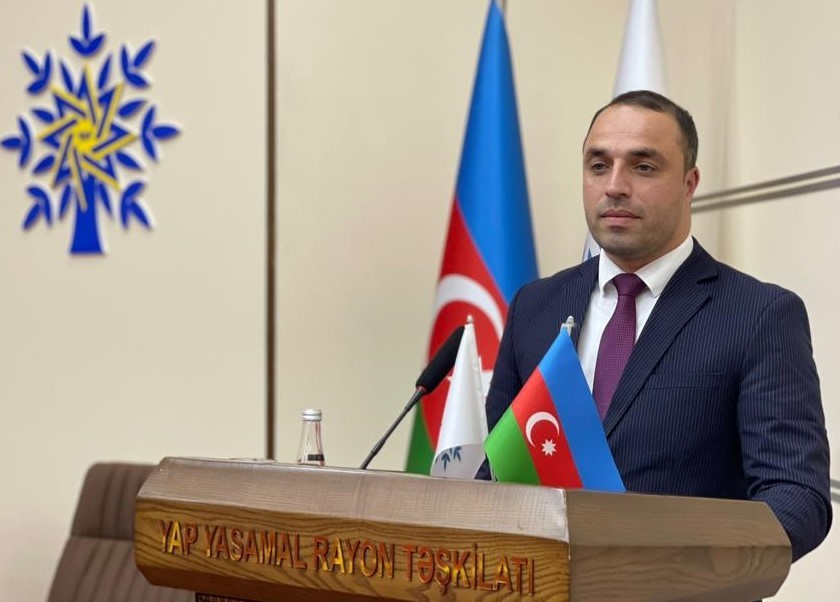
Farid MUSTAFAYEV
Deputy Chairman of the Territorial Party Organization of YAP Yasamal District under the Ministry of Science and Education at the Institute of Soil Science and Agrochemistry, Member of the Western Azerbaijan Community.
Remembering Khojaly is a moral obligation
Published: February 26, 2026


The Khojaly genocide, which has left an indelible mark on the historical memory of the Azerbaijani people, remains one of the gravest crimes against humanity of the twentieth century. This tragedy was a bloody act that proved an entire city—and, in essence, an entire nation—had been deliberately targeted. What occurred in February 1992 was a blatant violation of the laws of war, international law, and the most basic principles of humanism. Khojaly was a civilian-populated settlement of strategic importance. For a long period, the city had been under siege, with its residents deprived of food, medicine, and humanitarian assistance. On the night of the attack, the city was subjected to massive and indiscriminate fire using heavy weapons, armored vehicles, and artillery. Civilians attempting to flee were brutally murdered in forests, ravines, and open fields. Women, children, and the elderly were killed with particular cruelty; hundreds were taken hostage, and the fate of many remains unknown to this day. This tragedy was not accidental. The Khojaly genocide was an integral part of Armenia’s long-standing policy of ethnic cleansing and occupation against Azerbaijan. The objective was to erase the Azerbaijani presence in the Karabakh region, instill fear, and force the population into mass displacement. The atrocities committed in Khojaly were a clear manifestation of this intent.
Brief statistical overview:
Date of the incident: 26 February 1992
Location: Khojaly, Nagorno-Karabakh region, Azerbaijan
Victims: approximately 613 killed, including 63 children, 106 women, and 70 elderly persons
Injured: approximately 487 people
Hostages and captives: 127 people
Destruction of homes and infrastructure: most of the city destroyed; 1,275 houses burned or demolished
Displaced population: approximately 8,000 people forced to flee to safer areas
For many years after the tragedy, justice could not be restored at the international level. Nevertheless, the Azerbaijani state began to pursue a consistent and purposeful policy aimed at bringing the truth about Khojaly to the world. The first political and legal assessment of the tragedy is associated with the National Leader, Heydar Aliyev. At his initiative, the Khojaly tragedy was officially recognized as genocide, and 26 February was declared a National Day of Mourning—demonstrating a state-level commitment to this issue. This political course has been consistently continued in subsequent years. The international recognition of Khojaly, the commemoration of its victims, and the dissemination of truth became one of the key priorities of state policy. In this context, the projects, international events, and awareness campaigns carried out by the Heydar Aliyev Foundation played a significant role. The true manifestation of historical justice occurred in 2020. During the 44-day Patriotic War, the Azerbaijani Army liberated the occupied territories. This victory was not merely a military achievement; it was also a response addressed to the souls of the Khojaly victims. During the war, Armenia’s missile attacks on Ganja, Barda, Tartar, and other civilian settlements once again demonstrated that violence against civilians is an integral part of its military-political approach. In October 2023, President Ilham Aliyev raising the National Flag in the city of Khojaly marked the symbolic culmination of this process. Today, the commemoration of the Khojaly genocide is no longer framed by a psychology of defeat, but by restored justice and achieved victory.
The Khojaly tragedy is often recalled as a headline or a footnote. But headlines do not freeze. Footnotes do not hear the cries of children in the dark. What happened there cannot be confined to numbers or diplomatic language. The victims of that night were fleeing. They carried children in their arms, not weapons. They were not seeking victory—they were seeking warmth. What makes Khojaly unbearable is not only the cruelty inflicted there, but the silence that followed. The world had words. It had international institutions. It had cameras. Yet the world hesitated. And with that hesitation, something profoundly important was lost. Silence is never neutral. Silence chooses sides. When the suffering of civilians is measured against political convenience, humanity diminishes. When empathy depends on geography, justice becomes conditional. And when the death of a child requires explanation, a moral boundary has already been crossed.
Khojaly poses a simple yet deeply unsettling question to the world:
If the victims had been from somewhere else, would this silence have lasted so long?
Why was so much pain met with so much silence?
Why did the deaths of the innocent disappear between diplomatic phrases?
Why did human rights fall silent when they reached Khojaly?
The world must understand this: forgetting is participation. On that night, humanity was tested—and it failed by remaining silent. Why do we continue to remember Khojaly and reopen our wounds? Because the wound has never healed. Remembering is how humanity remains whole. Khojaly must be remembered so that the cold of that night does not become the normal temperature of our moral world, and so that indifference never finds a place to live again. Writing about Khojaly is difficult. But not writing is a far greater crime. Silence is a second killing. Silence is consent. That is why Khojaly must always be spoken of—quietly, but resolutely; emotionally, but justly; with the full weight of truth.
https://justiceforkhojaly.org/az/index
Farid MUSTAFAYEV
Deputy Chairman of the Territorial Party Organization of YAP Yasamal District under the Ministry of Science and Education at the Institute of Soil Science and Agrochemistry, Member of the Western Azerbaijan Community.