Daily The Patriot

The crease is yours, dear Gavaskar

Link copied!

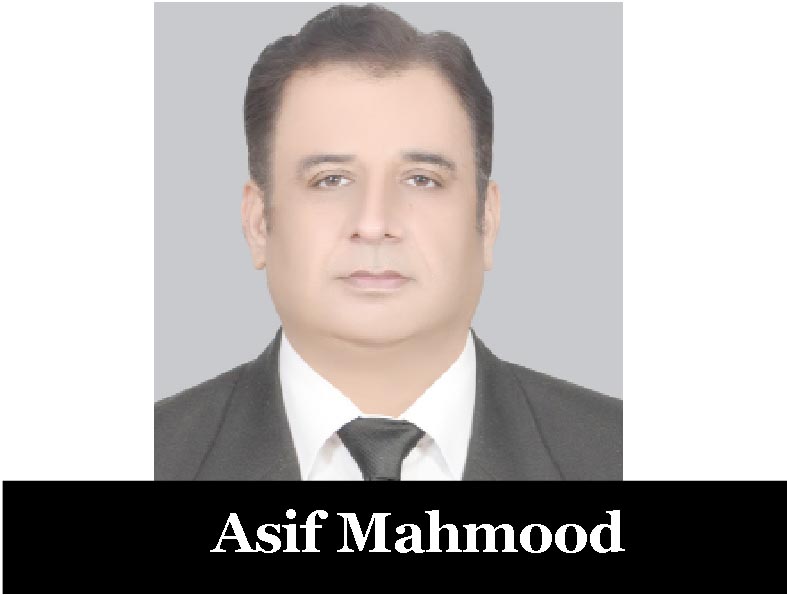
Asif Mahmood

Some of the most celebrated names in world cricket have written to the Government of Pakistan urging better treatment for Imran Khan in jail. Among the signatories is Sunil Gavaskar, a cricketer many of us grew up admiring.

Gavaskar commands respect. During the 1992 World Cup, when hope flickered and commentators predicted Pakistan’s fall, it was often Gavaskar who would remind viewers, “But Miandad is still at the crease.” In those tense hours, when the tide seemed against us, that sentence carried the weight of reassurance. Time has swept away many seasons since then, yet that line remains etched in memory.

Respect, however, cannot suspend questions. Does admiration mean silence when a sporting figure steps into the internal legal affairs of another sovereign state?  Does the fraternity of cricket override the principle that each country’s judicial system operates within its own constitutional framework?

One wonders whether the same compassionate impulse ever moved this legend to write to Prime Minister Narendra Modi about Shabbir Shah, who has spent decades in prison. Or about Yasin Malik, confined to a death cell and separated from his wife and daughter. Or about Qasim Faktu and Asiya Andrabi, who have endured long years behind bars. Have they ever raised their voice for Ali Bhatt, Latif Ahmad or Nisar Hussain, prisoners in Indian jails for over two decades?

The likely response will be that their concern stems from cricketing bonds, not human rights advocacy. That answer only deepens the question. Are Gavaskar, Kapil Dev and Sourav Ganguly invoking cricket as leverage against Pakistan? Is Imran Khan imprisoned because of cricket?

This is not an isolated gesture. It fits a pattern. At times hopes are pinned on Donald Trump. At other moments Zalmay Khalilzad drafts charges. Letters surface from members of the United States Congress. Now the latest intervention arrives from former captains of the cricketing world. It resembles a coordinated lobbying effort dressed in sporting sentiment.

Imran Khan is a political leader and a former prime minister. He is also a cricketing icon. Adequate medical care is his right, and that right must be protected. The matter is before the Supreme Court. A medical board continues to monitor his health. Reports indicate improvement in his eye condition. Mahmood Achakzai, Leader of the Opposition, has met him and publicly acknowledged his well being. If any legitimate concerns remain, they should be addressed without hesitation.

But when international cricket legends are mobilized to demand “better treatment,” one is compelled to ask what grave mistreatment has occurred that so alarms them.

Pakistan’s prisons are overcrowded. Facilities built for forty six thousand inmates currently house nearly eighty four thousand. Pregnant prisoners often lack separate accommodation. Amnesty International has reported that in several jails women are forced to use washrooms without privacy. Against this backdrop, Imran Khan is housed in a compound of seven cells designed for thirty five inmates, yet occupied by one. What additional space would satisfy the critics?

As for meals, the menu described from his quarters would be beyond the imagination of much of Pakistan’s population, not only in ordinary days but even during Eid festivals. Breakfast reportedly includes pomegranate and sweet lime juice, dates, walnuts, honey, coffee, porridge, lassi and warm milk. Lunch features organic chicken and mutton. Evening refreshments include almonds, raisins, coconut milkshake, dates, apples and bananas. One may fairly ask what further culinary refinement is expected inside a prison.

If any jail in India offers a more comfortable arrangement for its inmates, Mr. Gavaskar may kindly detail it in his next letter. He could consult Mike Atherton, David Gower, Allan Border, Greg Chappell, Clive Lloyd or John Wright for comparative insight.

The crease is yours, dear Gavaskar.

Leave a Reply

Your email address will not be published. Required fields are marked *

The crease is yours, dear Gavaskar

Link copied!

Asif Mahmood

Some of the most celebrated names in world cricket have written to the Government of Pakistan urging better treatment for Imran Khan in jail. Among the signatories is Sunil Gavaskar, a cricketer many of us grew up admiring.

Gavaskar commands respect. During the 1992 World Cup, when hope flickered and commentators predicted Pakistan’s fall, it was often Gavaskar who would remind viewers, “But Miandad is still at the crease.” In those tense hours, when the tide seemed against us, that sentence carried the weight of reassurance. Time has swept away many seasons since then, yet that line remains etched in memory.

Respect, however, cannot suspend questions. Does admiration mean silence when a sporting figure steps into the internal legal affairs of another sovereign state?  Does the fraternity of cricket override the principle that each country’s judicial system operates within its own constitutional framework?

One wonders whether the same compassionate impulse ever moved this legend to write to Prime Minister Narendra Modi about Shabbir Shah, who has spent decades in prison. Or about Yasin Malik, confined to a death cell and separated from his wife and daughter. Or about Qasim Faktu and Asiya Andrabi, who have endured long years behind bars. Have they ever raised their voice for Ali Bhatt, Latif Ahmad or Nisar Hussain, prisoners in Indian jails for over two decades?

The likely response will be that their concern stems from cricketing bonds, not human rights advocacy. That answer only deepens the question. Are Gavaskar, Kapil Dev and Sourav Ganguly invoking cricket as leverage against Pakistan? Is Imran Khan imprisoned because of cricket?

This is not an isolated gesture. It fits a pattern. At times hopes are pinned on Donald Trump. At other moments Zalmay Khalilzad drafts charges. Letters surface from members of the United States Congress. Now the latest intervention arrives from former captains of the cricketing world. It resembles a coordinated lobbying effort dressed in sporting sentiment.

Imran Khan is a political leader and a former prime minister. He is also a cricketing icon. Adequate medical care is his right, and that right must be protected. The matter is before the Supreme Court. A medical board continues to monitor his health. Reports indicate improvement in his eye condition. Mahmood Achakzai, Leader of the Opposition, has met him and publicly acknowledged his well being. If any legitimate concerns remain, they should be addressed without hesitation.

But when international cricket legends are mobilized to demand “better treatment,” one is compelled to ask what grave mistreatment has occurred that so alarms them.

Pakistan’s prisons are overcrowded. Facilities built for forty six thousand inmates currently house nearly eighty four thousand. Pregnant prisoners often lack separate accommodation. Amnesty International has reported that in several jails women are forced to use washrooms without privacy. Against this backdrop, Imran Khan is housed in a compound of seven cells designed for thirty five inmates, yet occupied by one. What additional space would satisfy the critics?

As for meals, the menu described from his quarters would be beyond the imagination of much of Pakistan’s population, not only in ordinary days but even during Eid festivals. Breakfast reportedly includes pomegranate and sweet lime juice, dates, walnuts, honey, coffee, porridge, lassi and warm milk. Lunch features organic chicken and mutton. Evening refreshments include almonds, raisins, coconut milkshake, dates, apples and bananas. One may fairly ask what further culinary refinement is expected inside a prison.

If any jail in India offers a more comfortable arrangement for its inmates, Mr. Gavaskar may kindly detail it in his next letter. He could consult Mike Atherton, David Gower, Allan Border, Greg Chappell, Clive Lloyd or John Wright for comparative insight.

The crease is yours, dear Gavaskar.

Leave a Reply

Your email address will not be published. Required fields are marked *