Daily The Patriot

Gaza Peace Board and Pakistan’s Principled Engagement

Link copied!

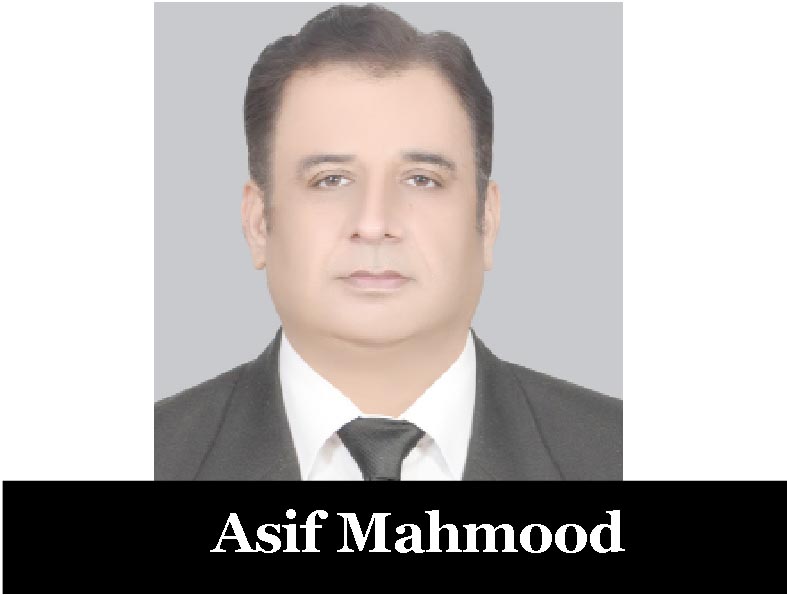
Asif Mahmood 

As the humanitarian catastrophe in Gaza deepens after two years of devastating conflict, diplomatic momentum is building around a structured international response. On February 19, 2026, the first formal session of the Gaza Peace Board convenes in Washington, bringing together Pakistan and a broad coalition of Islamic and international partners to chart a path toward ceasefire, recovery, and long term stability.

The scale of destruction in Gaza underscores the urgency of such an initiative. Tens of thousands have lost their lives. Nearly ninety thousand tons of munitions have been expended, leaving behind an estimated sixty million tons of rubble. Entire neighborhoods have been reduced to ruins. Against this backdrop, the Peace Board is being viewed not as a symbolic forum but as a necessary mechanism to halt further bloodshed and transition toward reconstruction.

At its core, the Board seeks three immediate outcomes: a durable ceasefire, the release of hostages, and the implementation of a comprehensive peace framework under United Nations Security Council Resolution 2803. Without an agreed diplomatic platform, sustained humanitarian access and civilian protection remain fragile. Institutions such as the International Committee of the Red Cross have emphasized that coordinated engagement is indispensable for ensuring compliance with international humanitarian law.

Reconstruction planning forms a central pillar of the initiative. The vision extends beyond temporary shelters toward structured, permanent rehabilitation. Proposals include more than one hundred thousand residential units in New Rafah, hundreds of educational and cultural institutions, and dozens of healthcare facilities. The broader New Gaza framework envisions coastal tourism, upgraded transport corridors, strengthened energy and digital infrastructure, and a market driven economic revival. Projections suggest that within a decade, Gaza’s economy could surpass ten billion dollars and generate over half a million jobs.

Pakistan’s participation in this process is both strategic and principled. It reflects a collective decision of Islamic nations and aligns with Pakistan’s longstanding diplomatic posture. For decades, Pakistan has been among the largest troop contributing countries to United Nations peacekeeping missions, reinforcing its reputation as a responsible stakeholder in global peace efforts. Its engagement in the Peace Board is therefore consistent with its broader international role.

Importantly, Islamabad has clarified that joining the Board does not imply endorsement of any military deployment or automatic role in a stabilization force. Any security related commitment would be subject strictly to a United Nations mandate, Pakistan’s national interest, and the wishes of the Palestinian people themselves.

Earlier, at the World Economic Forum 2026 in Davos, Pakistan endorsed the Peace Board Charter alongside Saudi Arabia, Türkiye, Egypt, Jordan, Qatar, the United Arab Emirates, Indonesia, Bahrain, Morocco, Argentina, Hungary, and the United States. The diversity of signatories reflects the initiative’s wide international backing.

Parallel to these diplomatic efforts, Pakistan and several key Muslim countries have taken a firm stance against unilateral Israeli measures in the occupied West Bank. On February 17, 2026, foreign ministers from Pakistan, Egypt, Jordan, the United Arab Emirates, Indonesia, Türkiye, Saudi Arabia, and Qatar issued a joint statement in Islamabad condemning Israel’s designation of West Bank lands as so called state property. The declaration characterized the move as a violation of international law, the Fourth Geneva Convention, and United Nations Security Council Resolution 2334, warning that such actions undermine prospects for peace.

These positions are rooted in Pakistan’s consistent policy on Palestine. Islamabad continues to support the establishment of an independent Palestinian state based on pre 1967 borders, with Al Quds Al Sharif as its capital. Engagement in multilateral forums that include Israel does not signify any dilution of this stance. Rather, Pakistan has historically used every available diplomatic platform to advocate for Palestinian rights in accordance with international law.

Regional actors, including members of the Arab League and the Organisation of Islamic Cooperation, have emphasized that instability in Gaza carries consequences far beyond its borders. Continued escalation risks dragging the wider Middle East into deeper turmoil. Collective diplomacy, therefore, is not merely a moral obligation but a strategic necessity.

Pakistan has reiterated that it will continue to pursue balanced diplomacy, avoid bloc politics, and remain steadfast in defending the freedom, dignity, and sovereignty of the Palestinian people. Participation in the Gaza Peace Board is not a departure from principle. It is an attempt to ensure that principle is translated into practical outcomes.

Leave a Reply

Your email address will not be published. Required fields are marked *

Gaza Peace Board and Pakistan’s Principled Engagement

Link copied!

Asif Mahmood 

As the humanitarian catastrophe in Gaza deepens after two years of devastating conflict, diplomatic momentum is building around a structured international response. On February 19, 2026, the first formal session of the Gaza Peace Board convenes in Washington, bringing together Pakistan and a broad coalition of Islamic and international partners to chart a path toward ceasefire, recovery, and long term stability.

The scale of destruction in Gaza underscores the urgency of such an initiative. Tens of thousands have lost their lives. Nearly ninety thousand tons of munitions have been expended, leaving behind an estimated sixty million tons of rubble. Entire neighborhoods have been reduced to ruins. Against this backdrop, the Peace Board is being viewed not as a symbolic forum but as a necessary mechanism to halt further bloodshed and transition toward reconstruction.

At its core, the Board seeks three immediate outcomes: a durable ceasefire, the release of hostages, and the implementation of a comprehensive peace framework under United Nations Security Council Resolution 2803. Without an agreed diplomatic platform, sustained humanitarian access and civilian protection remain fragile. Institutions such as the International Committee of the Red Cross have emphasized that coordinated engagement is indispensable for ensuring compliance with international humanitarian law.

Reconstruction planning forms a central pillar of the initiative. The vision extends beyond temporary shelters toward structured, permanent rehabilitation. Proposals include more than one hundred thousand residential units in New Rafah, hundreds of educational and cultural institutions, and dozens of healthcare facilities. The broader New Gaza framework envisions coastal tourism, upgraded transport corridors, strengthened energy and digital infrastructure, and a market driven economic revival. Projections suggest that within a decade, Gaza’s economy could surpass ten billion dollars and generate over half a million jobs.

Pakistan’s participation in this process is both strategic and principled. It reflects a collective decision of Islamic nations and aligns with Pakistan’s longstanding diplomatic posture. For decades, Pakistan has been among the largest troop contributing countries to United Nations peacekeeping missions, reinforcing its reputation as a responsible stakeholder in global peace efforts. Its engagement in the Peace Board is therefore consistent with its broader international role.

Importantly, Islamabad has clarified that joining the Board does not imply endorsement of any military deployment or automatic role in a stabilization force. Any security related commitment would be subject strictly to a United Nations mandate, Pakistan’s national interest, and the wishes of the Palestinian people themselves.

Earlier, at the World Economic Forum 2026 in Davos, Pakistan endorsed the Peace Board Charter alongside Saudi Arabia, Türkiye, Egypt, Jordan, Qatar, the United Arab Emirates, Indonesia, Bahrain, Morocco, Argentina, Hungary, and the United States. The diversity of signatories reflects the initiative’s wide international backing.

Parallel to these diplomatic efforts, Pakistan and several key Muslim countries have taken a firm stance against unilateral Israeli measures in the occupied West Bank. On February 17, 2026, foreign ministers from Pakistan, Egypt, Jordan, the United Arab Emirates, Indonesia, Türkiye, Saudi Arabia, and Qatar issued a joint statement in Islamabad condemning Israel’s designation of West Bank lands as so called state property. The declaration characterized the move as a violation of international law, the Fourth Geneva Convention, and United Nations Security Council Resolution 2334, warning that such actions undermine prospects for peace.

These positions are rooted in Pakistan’s consistent policy on Palestine. Islamabad continues to support the establishment of an independent Palestinian state based on pre 1967 borders, with Al Quds Al Sharif as its capital. Engagement in multilateral forums that include Israel does not signify any dilution of this stance. Rather, Pakistan has historically used every available diplomatic platform to advocate for Palestinian rights in accordance with international law.

Regional actors, including members of the Arab League and the Organisation of Islamic Cooperation, have emphasized that instability in Gaza carries consequences far beyond its borders. Continued escalation risks dragging the wider Middle East into deeper turmoil. Collective diplomacy, therefore, is not merely a moral obligation but a strategic necessity.

Pakistan has reiterated that it will continue to pursue balanced diplomacy, avoid bloc politics, and remain steadfast in defending the freedom, dignity, and sovereignty of the Palestinian people. Participation in the Gaza Peace Board is not a departure from principle. It is an attempt to ensure that principle is translated into practical outcomes.

Leave a Reply

Your email address will not be published. Required fields are marked *