Daily The Patriot

Post-Terrorism

Link copied!

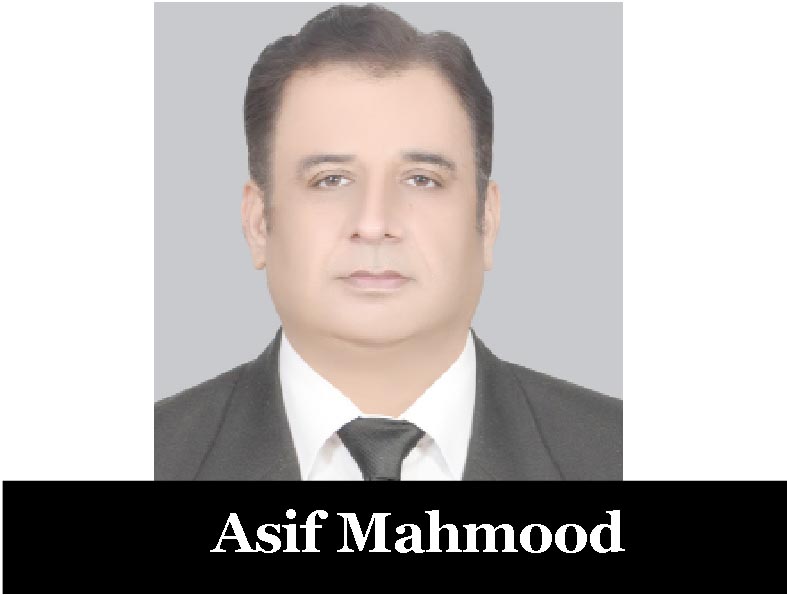
Asif Mahmood

When a terrorist attack occurs and the attackers are eliminated, most people assume the story has ended. In reality, that is often when a far more subtle and dangerous phase begins. This phase can best be described as post-terrorism. It is the moment when those who neither fired a shot nor planted a bomb step forward to shape the narrative, manipulate emotions, and redirect public thinking. The uncomfortable question is whether we even recognize this phenomenon or understand the scale of harm it causes.

In many ways, post-terrorism is more destructive than terrorism itself. Terrorism leaves behind visible ruins, bodies, and bloodshed. Post-terrorism leaves behind confusion, division, and intellectual paralysis. Terrorism attacks the human body. Post-terrorism attacks the human mind. Terrorism steals lives and moments of happiness. Post-terrorism steals clarity, unity, and collective purpose. Terrorists rely on guns and explosives. Post-terrorists rely on microphones, television screens, timelines, and hashtags.

The pattern is now familiar. The moment a terrorist incident takes place anywhere in Pakistan, post-terrorists become active. Their first move is to muddy the waters. Instead of allowing society to form a clear and united stance against terrorism, they immediately divert the discussion. At the very stage when moral clarity is most needed, the debate is shifted toward allegations of “security failure” and “institutional incompetence.”

This happens at a time when Pakistan’s security personnel, many of them young men, are risking their lives for national safety. Rather than standing with them, post-terrorists drag the very institutions fighting terrorism into the dock. Questioning security policies is a legitimate democratic right. But reflexively blaming institutions at the first moment of crisis is not free expression. It is information warfare.

This narrative is also detached from reality. Pakistan is confronting a vast and complex terrorist challenge stretching from Khyber Pakhtunkhwa to Balochistan, supported and facilitated from beyond its borders. This is not a local or isolated problem. It is an undeclared war with external players deeply involved. In such circumstances, it is neither realistic nor possible to monitor every street, every alley, and every vehicle at all times. When attacks are prevented and terrorists are intercepted, it barely registers in public memory. When a single attack succeeds, it becomes a defining headline. Post-terrorism exploits this imbalance relentlessly.

The result is predictable. Instead of unity against terrorists, society turns inward and begins accusing its own state.

This leads to the second phase of post-terrorism. Through a chain of “ifs,” “buts,” and “becauses,” terrorism is gradually rationalized. Violence is presented as a reaction. Responsibility is shifted away from the perpetrators and placed squarely on the state. The state is painted as the villain, while terrorists are reframed as victims of circumstance. In this upside-down logic, accountability disappears altogether.

The third phase is even more alarming. Here, foreign involvement is deliberately denied or ridiculed. When the state presents evidence of external sponsorship, hostile intelligence networks, or cross-border facilitation, post-terrorists dismiss it as propaganda. Neighboring adversaries are portrayed as innocent and incapable of such actions. The final conclusion is always the same: Pakistan is to blame for everything, and any accusation against others is declared dishonest or paranoid.

As this narrative deepens, different actors emerge. Some exploit tragedy for political mileage. Others inject sectarian angles and even display open satisfaction at national loss. There are also analysts and media personalities driven more by ratings than responsibility, turning serious national trauma into spectacle. And then there are those who, out of ignorance, become foot soldiers in this information war, amplifying hostile narratives without understanding their origins.

Pakistan now needs collective clarity. As dangerous as terrorism is, post-terrorism is equally lethal. The man with the bomb is a threat, but so is the man who distorts truth and poisons perception. If terrorism is to be defeated, post-terrorism must be confronted with equal seriousness.

One crucial point must not be ignored. In the post-terrorism phase, hostile states actively deploy coordinated social media networks. Trends are engineered from outside Pakistan. Hundreds of thousands of accounts operate as part of a calculated wartime strategy designed to weaken morale and fracture unity.

Two realities must be understood. First, sovereignty in the modern age does not end at physical borders. It extends into cyberspace. Organized information warfare conducted through digital platforms constitutes aggression against a state, and international law recognizes this reality.

Second, every state has the right to defend itself against such aggression. Coordinated information attacks are not harmless opinions. They are strategic tools used to destabilize societies. Treating them as a serious national security threat is not repression; it is self-defense.

The time for hesitation has passed. To defeat terrorism, Pakistan must also defeat post-terrorism. The terrorist who carries a bomb is dangerous. The terrorist who carries a narrative can be even more destructive.

Leave a Reply

Your email address will not be published. Required fields are marked *

Post-Terrorism

Link copied!

Asif Mahmood

When a terrorist attack occurs and the attackers are eliminated, most people assume the story has ended. In reality, that is often when a far more subtle and dangerous phase begins. This phase can best be described as post-terrorism. It is the moment when those who neither fired a shot nor planted a bomb step forward to shape the narrative, manipulate emotions, and redirect public thinking. The uncomfortable question is whether we even recognize this phenomenon or understand the scale of harm it causes.

In many ways, post-terrorism is more destructive than terrorism itself. Terrorism leaves behind visible ruins, bodies, and bloodshed. Post-terrorism leaves behind confusion, division, and intellectual paralysis. Terrorism attacks the human body. Post-terrorism attacks the human mind. Terrorism steals lives and moments of happiness. Post-terrorism steals clarity, unity, and collective purpose. Terrorists rely on guns and explosives. Post-terrorists rely on microphones, television screens, timelines, and hashtags.

The pattern is now familiar. The moment a terrorist incident takes place anywhere in Pakistan, post-terrorists become active. Their first move is to muddy the waters. Instead of allowing society to form a clear and united stance against terrorism, they immediately divert the discussion. At the very stage when moral clarity is most needed, the debate is shifted toward allegations of “security failure” and “institutional incompetence.”

This happens at a time when Pakistan’s security personnel, many of them young men, are risking their lives for national safety. Rather than standing with them, post-terrorists drag the very institutions fighting terrorism into the dock. Questioning security policies is a legitimate democratic right. But reflexively blaming institutions at the first moment of crisis is not free expression. It is information warfare.

This narrative is also detached from reality. Pakistan is confronting a vast and complex terrorist challenge stretching from Khyber Pakhtunkhwa to Balochistan, supported and facilitated from beyond its borders. This is not a local or isolated problem. It is an undeclared war with external players deeply involved. In such circumstances, it is neither realistic nor possible to monitor every street, every alley, and every vehicle at all times. When attacks are prevented and terrorists are intercepted, it barely registers in public memory. When a single attack succeeds, it becomes a defining headline. Post-terrorism exploits this imbalance relentlessly.

The result is predictable. Instead of unity against terrorists, society turns inward and begins accusing its own state.

This leads to the second phase of post-terrorism. Through a chain of “ifs,” “buts,” and “becauses,” terrorism is gradually rationalized. Violence is presented as a reaction. Responsibility is shifted away from the perpetrators and placed squarely on the state. The state is painted as the villain, while terrorists are reframed as victims of circumstance. In this upside-down logic, accountability disappears altogether.

The third phase is even more alarming. Here, foreign involvement is deliberately denied or ridiculed. When the state presents evidence of external sponsorship, hostile intelligence networks, or cross-border facilitation, post-terrorists dismiss it as propaganda. Neighboring adversaries are portrayed as innocent and incapable of such actions. The final conclusion is always the same: Pakistan is to blame for everything, and any accusation against others is declared dishonest or paranoid.

As this narrative deepens, different actors emerge. Some exploit tragedy for political mileage. Others inject sectarian angles and even display open satisfaction at national loss. There are also analysts and media personalities driven more by ratings than responsibility, turning serious national trauma into spectacle. And then there are those who, out of ignorance, become foot soldiers in this information war, amplifying hostile narratives without understanding their origins.

Pakistan now needs collective clarity. As dangerous as terrorism is, post-terrorism is equally lethal. The man with the bomb is a threat, but so is the man who distorts truth and poisons perception. If terrorism is to be defeated, post-terrorism must be confronted with equal seriousness.

One crucial point must not be ignored. In the post-terrorism phase, hostile states actively deploy coordinated social media networks. Trends are engineered from outside Pakistan. Hundreds of thousands of accounts operate as part of a calculated wartime strategy designed to weaken morale and fracture unity.

Two realities must be understood. First, sovereignty in the modern age does not end at physical borders. It extends into cyberspace. Organized information warfare conducted through digital platforms constitutes aggression against a state, and international law recognizes this reality.

Second, every state has the right to defend itself against such aggression. Coordinated information attacks are not harmless opinions. They are strategic tools used to destabilize societies. Treating them as a serious national security threat is not repression; it is self-defense.

The time for hesitation has passed. To defeat terrorism, Pakistan must also defeat post-terrorism. The terrorist who carries a bomb is dangerous. The terrorist who carries a narrative can be even more destructive.

Leave a Reply

Your email address will not be published. Required fields are marked *