- Punjab is Pakistan’s largest province by population and its most consequential administrative unit. What works in Punjab often sets the tone for the rest of the country. What fails there becomes a national burden. This reality places extraordinary weight on the province’s leadership, especially during periods of economic strain, social pressure, and institutional fatigue.
- Since assuming office as Chief Minister, Maryam Nawaz Sharif has moved quickly to define her leadership around one central idea: Governance must be felt, not announced. Her approach has focused less on rhetorical ambition and more on programmes that directly alter how citizens experience the state in their daily lives.
- From sanitation and transport to healthcare, education, housing, and agriculture, the emphasis has been consistent. Build systems. Execute visibly. Restore trust through delivery.
- Everyday governance
- One of the most persistent challenges in South Asian governance is the perception gap between the state and the citizen. Governments are often experienced as distant, procedural, or reactive. Maryam Nawaz’s early tenure suggests an attempt to reverse that dynamic by prioritising services that are immediately visible and widely shared.
- This is not accidental. Clean streets, mobile health units, public transport, and housing schemes all serve a common political and administrative function. They make the state present in everyday life. They signal competence through repetition rather than spectacle.
- This governing instinct reflects a broader shift away from episodic interventions toward continuous service delivery. It is a choice rooted in execution, not ideology.
- Institutional discipline
- Sanitation is one of the hardest public services to manage at scale. It requires logistics, contracting discipline, labour coordination, and constant monitoring. It also offers no political shortcuts. Either the streets are clean or they are not.
- The Suthra Punjab initiative has been positioned as a province-wide effort to overhaul waste management and sanitation systems.
- The Suthra Punjab initiative has been positioned as a province-wide effort to overhaul waste management and sanitation systems. Its significance lies not only in its environmental goals but in what it represents institutionally. Cleanliness becomes a test of whether local governments, contractors, and provincial oversight mechanisms can function together on a daily basis.
- By treating sanitation as a system rather than a campaign, the administration has rebuilt confidence in the state’s operational capacity. If sustained, this kind of reform quietly reshapes how citizens judge government performance.
- CM Maryam Nawaz’s approach has focused less on rhetorical ambition and more on programmes that directly alter how citizens experience the state in their daily lives.
- Productivity policy
- Urban congestion and unreliable transport impose a hidden tax on citizens. Lost hours, unsafe commutes, and deteriorating air quality reduce productivity and quality of life.
- Punjab’s push toward modernising public transport, including the introduction of electric buses and upgraded transit infrastructure, reflects an understanding that mobility is economic policy. Efficient transport expands access to jobs, education, and services. It also signals long-term planning rather than short-term relief.
- Importantly, transport initiatives have been framed alongside environmental concerns, particularly air pollution and smog mitigation. This integration suggests an effort to connect infrastructure decisions with broader urban resilience goals rather than treating environmental crises as seasonal emergencies.
- Clinics on wheels
- Access to basic healthcare remains one of Punjab’s most persistent challenges, especially in underserved urban settlements and rural areas. Long travel distances, overcrowded facilities, and inconsistent service quality have historically limited the effectiveness of public healthcare.
- The Clinics on Wheels programme directly addresses this gap by bringing primary healthcare services to communities rather than expecting communities to navigate distant facilities. Mobile units provide consultations, diagnostics, and basic medicines, reducing both financial and time barriers for patients.
- Alongside this, the rollout of upgraded primary healthcare facilities under the Maryam Nawaz Health Clinics initiative aims to improve service quality, staffing, and digital record-keeping.
- The strategic importance of this approach is clear. Strong primary care reduces pressure on hospitals, improves preventive outcomes, and builds trust at the first point of contact between citizen and state.
- AI taking centre stage
- Maryam Nawaz has made it clear that Punjab is embarking on an era of digital transformation.
- From making her cabinet the first in Pakistan to receive direct training in AI to launching AI education across all government schools of Punjab, the commitment to innovation, modern governance, and informed and data-driven decision-making is a testament to her forward-thinking approach that does not shy away from being susceptible to new ideas and adoption.
- Education and youth policy
- Punjab’s demographic reality is unmistakable. A large and young population can either become an economic engine or a structural liability. The difference lies in access to education, skills opportunity.
- The Honhaar Scholarship Programme and the Chief Minister’s Laptop Programme reflect a policy choice to invest directly in students rather than solely in institutions. Scholarships lower the income barrier to higher education. Laptops expand access to digital learning, remote work, and global knowledge networks.
- These initiatives are often debated politically, but their long-term value lies in talent retention and productivity. In a global economy increasingly shaped by services, technology, and remote work, such investments function as economic infrastructure.
- Addressing housing shortages
- Housing policy sits at the intersection of dignity, economic security, and social cohesion. Without stable shelter, gains in health, education, and employment become fragile.
- The Apni Chhat, Apna Ghar programme has been presented as a large-scale effort to address housing shortages for low-income families. By focusing on ownership and structured delivery rather than informal settlements, the programme aims to provide long-term stability rather than temporary relief.
- So far, these initiatives have passed the test of transparency, verification, and financing discipline. Housing schemes succeed when they function as systems, not slogans. If sustained, this initiative could reshape how the state addresses urban growth and affordability.
- Agricultural support
- Agriculture remains central to Punjab’s economy, yet farmers are often exposed to liquidity shocks, delayed inputs, and volatile pricing.
- The Chief Minister’s Kisan Card is designed as a targeted support mechanism, enabling registered farmers to access inputs and financial support through a structured system. The policy logic is straightforward. Reduce dependence on informal credit. Improve input timing. Stabilise rural incomes.
- Well-designed agricultural support programmes do more than protect farmers. They stabilise food supply chains, moderate inflationary pressure, and reduce rural distress.
- Monitoring metrics
- Ambitious programmes fail when execution is not measured. A recurring feature of Punjab’s current governance model is the emphasis on monitoring units, dashboards, and performance tracking across sectors.
- This focus on measurement is not cosmetic. It reflects an understanding that institutional credibility is built through follow-through. Programmes that are tracked, audited, and adjusted over time are more likely to survive political cycles and fiscal pressure.
- The effectiveness of this approach will depend on whether monitoring is used to correct failures or merely to report success. The intent, however, signals a shift toward performance-based administration.
- Tangible outcomes
- Maryam Nawaz’s leadership in Punjab is still in its early phase, but certain patterns are clearly visible. The emphasis is on tangible outcomes rather than abstract reform. On systems rather than announcements. On programmes that change daily life rather than episodic gestures.
- This approach carries risk. Service delivery is unforgiving. Failures are visible. Delays erode trust quickly. But it is also the only path through which public confidence in the state can be rebuilt.
- Punjab’s experience over the coming years will reveal whether these initiatives mature into durable institutions. If they do, they may well define a new standard for provincial governance in Pakistan.
- Not louder politics. Better administration.
- That, ultimately, is the leadership bet being made.
Maryam Nawaz in Punjab: A governance model built on delivery, visibility, and reform
Published: January 29, 2026


Link copied!
- Punjab is Pakistan’s largest province by population and its most consequential administrative unit. What works in Punjab often sets the tone for the rest of the country. What fails there becomes a national burden. This reality places extraordinary weight on the province’s leadership, especially during periods of economic strain, social pressure, and institutional fatigue.
- Since assuming office as Chief Minister, Maryam Nawaz Sharif has moved quickly to define her leadership around one central idea: Governance must be felt, not announced. Her approach has focused less on rhetorical ambition and more on programmes that directly alter how citizens experience the state in their daily lives.
- From sanitation and transport to healthcare, education, housing, and agriculture, the emphasis has been consistent. Build systems. Execute visibly. Restore trust through delivery.
- Everyday governance
- One of the most persistent challenges in South Asian governance is the perception gap between the state and the citizen. Governments are often experienced as distant, procedural, or reactive. Maryam Nawaz’s early tenure suggests an attempt to reverse that dynamic by prioritising services that are immediately visible and widely shared.
- This is not accidental. Clean streets, mobile health units, public transport, and housing schemes all serve a common political and administrative function. They make the state present in everyday life. They signal competence through repetition rather than spectacle.
- This governing instinct reflects a broader shift away from episodic interventions toward continuous service delivery. It is a choice rooted in execution, not ideology.
- Institutional discipline
- Sanitation is one of the hardest public services to manage at scale. It requires logistics, contracting discipline, labour coordination, and constant monitoring. It also offers no political shortcuts. Either the streets are clean or they are not.
- The Suthra Punjab initiative has been positioned as a province-wide effort to overhaul waste management and sanitation systems.
- The Suthra Punjab initiative has been positioned as a province-wide effort to overhaul waste management and sanitation systems. Its significance lies not only in its environmental goals but in what it represents institutionally. Cleanliness becomes a test of whether local governments, contractors, and provincial oversight mechanisms can function together on a daily basis.
- By treating sanitation as a system rather than a campaign, the administration has rebuilt confidence in the state’s operational capacity. If sustained, this kind of reform quietly reshapes how citizens judge government performance.
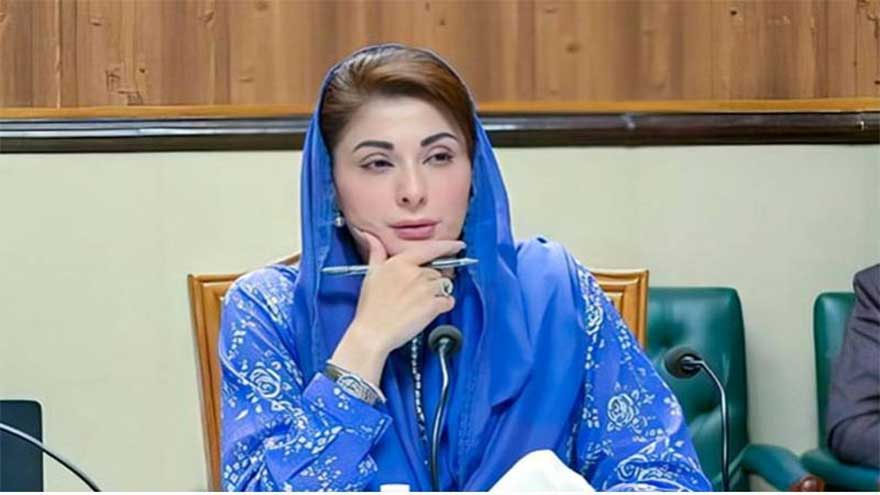
- CM Maryam Nawaz’s approach has focused less on rhetorical ambition and more on programmes that directly alter how citizens experience the state in their daily lives.
- Productivity policy
- Urban congestion and unreliable transport impose a hidden tax on citizens. Lost hours, unsafe commutes, and deteriorating air quality reduce productivity and quality of life.
- Punjab’s push toward modernising public transport, including the introduction of electric buses and upgraded transit infrastructure, reflects an understanding that mobility is economic policy. Efficient transport expands access to jobs, education, and services. It also signals long-term planning rather than short-term relief.
- Importantly, transport initiatives have been framed alongside environmental concerns, particularly air pollution and smog mitigation. This integration suggests an effort to connect infrastructure decisions with broader urban resilience goals rather than treating environmental crises as seasonal emergencies.
- Clinics on wheels
- Access to basic healthcare remains one of Punjab’s most persistent challenges, especially in underserved urban settlements and rural areas. Long travel distances, overcrowded facilities, and inconsistent service quality have historically limited the effectiveness of public healthcare.
- The Clinics on Wheels programme directly addresses this gap by bringing primary healthcare services to communities rather than expecting communities to navigate distant facilities. Mobile units provide consultations, diagnostics, and basic medicines, reducing both financial and time barriers for patients.
- Alongside this, the rollout of upgraded primary healthcare facilities under the Maryam Nawaz Health Clinics initiative aims to improve service quality, staffing, and digital record-keeping.
- The strategic importance of this approach is clear. Strong primary care reduces pressure on hospitals, improves preventive outcomes, and builds trust at the first point of contact between citizen and state.
- AI taking centre stage
- Maryam Nawaz has made it clear that Punjab is embarking on an era of digital transformation.
- From making her cabinet the first in Pakistan to receive direct training in AI to launching AI education across all government schools of Punjab, the commitment to innovation, modern governance, and informed and data-driven decision-making is a testament to her forward-thinking approach that does not shy away from being susceptible to new ideas and adoption.
- Education and youth policy
- Punjab’s demographic reality is unmistakable. A large and young population can either become an economic engine or a structural liability. The difference lies in access to education, skills opportunity.
- The Honhaar Scholarship Programme and the Chief Minister’s Laptop Programme reflect a policy choice to invest directly in students rather than solely in institutions. Scholarships lower the income barrier to higher education. Laptops expand access to digital learning, remote work, and global knowledge networks.
- These initiatives are often debated politically, but their long-term value lies in talent retention and productivity. In a global economy increasingly shaped by services, technology, and remote work, such investments function as economic infrastructure.
- Addressing housing shortages
- Housing policy sits at the intersection of dignity, economic security, and social cohesion. Without stable shelter, gains in health, education, and employment become fragile.
- The Apni Chhat, Apna Ghar programme has been presented as a large-scale effort to address housing shortages for low-income families. By focusing on ownership and structured delivery rather than informal settlements, the programme aims to provide long-term stability rather than temporary relief.
- So far, these initiatives have passed the test of transparency, verification, and financing discipline. Housing schemes succeed when they function as systems, not slogans. If sustained, this initiative could reshape how the state addresses urban growth and affordability.
- Agricultural support
- Agriculture remains central to Punjab’s economy, yet farmers are often exposed to liquidity shocks, delayed inputs, and volatile pricing.
- The Chief Minister’s Kisan Card is designed as a targeted support mechanism, enabling registered farmers to access inputs and financial support through a structured system. The policy logic is straightforward. Reduce dependence on informal credit. Improve input timing. Stabilise rural incomes.
- Well-designed agricultural support programmes do more than protect farmers. They stabilise food supply chains, moderate inflationary pressure, and reduce rural distress.
- Monitoring metrics
- Ambitious programmes fail when execution is not measured. A recurring feature of Punjab’s current governance model is the emphasis on monitoring units, dashboards, and performance tracking across sectors.
- This focus on measurement is not cosmetic. It reflects an understanding that institutional credibility is built through follow-through. Programmes that are tracked, audited, and adjusted over time are more likely to survive political cycles and fiscal pressure.
- The effectiveness of this approach will depend on whether monitoring is used to correct failures or merely to report success. The intent, however, signals a shift toward performance-based administration.
- Tangible outcomes
- Maryam Nawaz’s leadership in Punjab is still in its early phase, but certain patterns are clearly visible. The emphasis is on tangible outcomes rather than abstract reform. On systems rather than announcements. On programmes that change daily life rather than episodic gestures.
- This approach carries risk. Service delivery is unforgiving. Failures are visible. Delays erode trust quickly. But it is also the only path through which public confidence in the state can be rebuilt.
- Punjab’s experience over the coming years will reveal whether these initiatives mature into durable institutions. If they do, they may well define a new standard for provincial governance in Pakistan.
- Not louder politics. Better administration.
- That, ultimately, is the leadership bet being made.