Daily The Patriot

Should Pakistan Withdraw from the World Cup in Solidarity with Bangladesh?

Link copied!

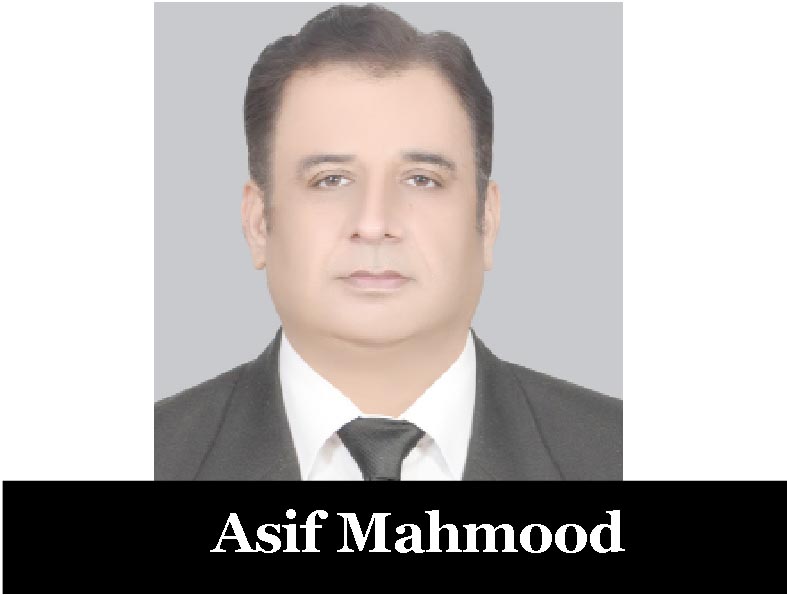
Asif Mahmood

Bangladesh is not just a friendly  country for Pakistan; it is a nation with which emotional, cultural and historical bonds still exist. Despite a painful past, there remains goodwill, affection and a sense of shared identity among the people. With political change underway in Dhaka and the shadow of Sheikh Hasina’s authoritarianism receding, Pakistan–Bangladesh relations are once again showing signs of warmth and convergence.

It is within this context that the question has emerged: should Pakistan withdraw from the World Cup in solidarity with Bangladesh amid tensions involving India?

The answer, however uncomfortable for some, is: No.

Solidarity does not always demand symbolic self harm. Pakistan can and should stand firmly with Bangladesh by supporting its position on every diplomatic forum, by condemning Indian coercive tactics and by calling out the growing intolerance and politicisation of sport in the region. These steps are meaningful, principled and effective.

Withdrawing from the World Cup, on the other hand, would be a strategic misstep. Such a move would instantly be framed as a political act, weakening Pakistan’s moral standing rather than strengthening it. Sports boycotts rarely hurt the intended target; instead, they isolate the boycotting country and hand narratives to hostile actors.

There are also concrete risks. Any punitive action by the International Cricket Council would leave Pakistan exposed. Bangladesh can legitimately cite security concerns to justify its position. Pakistan cannot. In the absence of a direct threat, a withdrawal would appear voluntary and political, inviting sanctions, fines or future marginalisation within international cricket.

Moreover, Bangladesh itself is entering an uncertain political phase with elections on the horizon. No one can predict the priorities of the next government. If a future administration in Dhaka chooses to recalibrate relations with India and sends its team on tour, Pakistan would be left standing alone, having paid a heavy price for a decision rooted in emotion rather than foresight.

This is not a test of brotherhood; it is a test of statecraft. Mature diplomacy requires separating sentiment from strategy. Pakistan’s support for Bangladesh should be vocal, consistent and principled, but it should not come at the cost of its own national interests.

In international politics, especially where sport is involved, wisdom lies not in dramatic gestures but in calculated restraint.

Leave a Reply

Your email address will not be published. Required fields are marked *

Should Pakistan Withdraw from the World Cup in Solidarity with Bangladesh?

Link copied!

Asif Mahmood

Bangladesh is not just a friendly  country for Pakistan; it is a nation with which emotional, cultural and historical bonds still exist. Despite a painful past, there remains goodwill, affection and a sense of shared identity among the people. With political change underway in Dhaka and the shadow of Sheikh Hasina’s authoritarianism receding, Pakistan–Bangladesh relations are once again showing signs of warmth and convergence.

It is within this context that the question has emerged: should Pakistan withdraw from the World Cup in solidarity with Bangladesh amid tensions involving India?

The answer, however uncomfortable for some, is: No.

Solidarity does not always demand symbolic self harm. Pakistan can and should stand firmly with Bangladesh by supporting its position on every diplomatic forum, by condemning Indian coercive tactics and by calling out the growing intolerance and politicisation of sport in the region. These steps are meaningful, principled and effective.

Withdrawing from the World Cup, on the other hand, would be a strategic misstep. Such a move would instantly be framed as a political act, weakening Pakistan’s moral standing rather than strengthening it. Sports boycotts rarely hurt the intended target; instead, they isolate the boycotting country and hand narratives to hostile actors.

There are also concrete risks. Any punitive action by the International Cricket Council would leave Pakistan exposed. Bangladesh can legitimately cite security concerns to justify its position. Pakistan cannot. In the absence of a direct threat, a withdrawal would appear voluntary and political, inviting sanctions, fines or future marginalisation within international cricket.

Moreover, Bangladesh itself is entering an uncertain political phase with elections on the horizon. No one can predict the priorities of the next government. If a future administration in Dhaka chooses to recalibrate relations with India and sends its team on tour, Pakistan would be left standing alone, having paid a heavy price for a decision rooted in emotion rather than foresight.

This is not a test of brotherhood; it is a test of statecraft. Mature diplomacy requires separating sentiment from strategy. Pakistan’s support for Bangladesh should be vocal, consistent and principled, but it should not come at the cost of its own national interests.

In international politics, especially where sport is involved, wisdom lies not in dramatic gestures but in calculated restraint.

Leave a Reply

Your email address will not be published. Required fields are marked *