Daily The Patriot

Unmasking Anti-Pakistan Propaganda

Link copied!

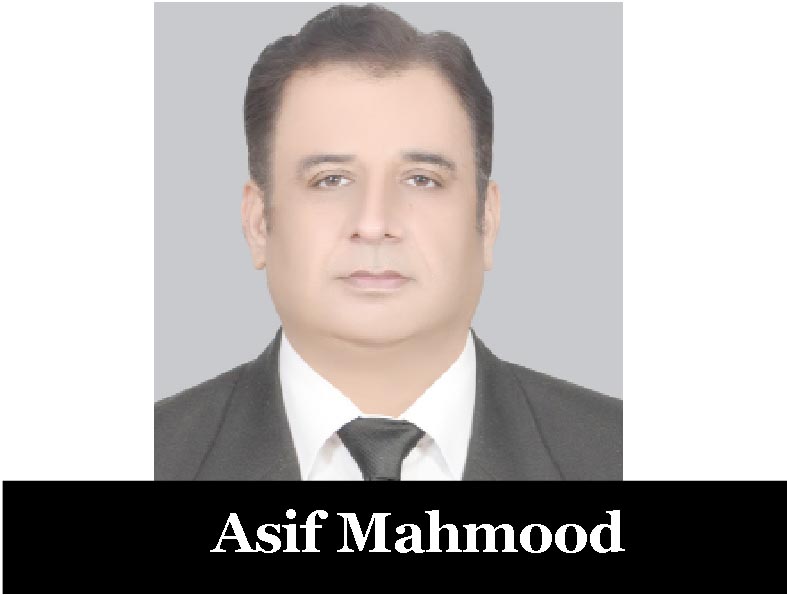
Asif Mahmood

India remains one of the most persistent drivers of false narratives against Pakistan, a reality once again laid bare by the events following the Sydney incident. Almost immediately after the tragedy, a familiar pattern unfolded. Before facts could settle and before authorities could complete their investigations, a coordinated campaign emerged that sought to drag Pakistan into a crime with which it had no connection. What should have been a moment of collective mourning and empathy was cynically converted into a propaganda battlefield.

In the aftermath of the Sydney attack, sections of Indian media and aligned social media networks began circulating misleading images, doctored videos, and unverified claims. These materials were pushed aggressively to suggest a Pakistani link, despite the absence of any credible evidence. The speed and coordination of this disinformation effort exposed its true intent. This was not journalism. It was a deliberate attempt to malign Pakistan by exploiting a human tragedy.

Equally troubling was the manner in which social media amplified these falsehoods. Viral videos stripped of context and baseless accusations were presented as facts. Such practices do not merely distort reality. They actively harm humanity by inflaming hatred and deepening divisions at a time when compassion is most needed. The transformation of tragedy into a tool for political messaging is morally indefensible and socially destructive.

The most telling aspect of this campaign is that no reputable international or Australian source supported the allegations leveled against Pakistan. Global media outlets, law enforcement agencies, and independent investigators refrained from endorsing the manufactured narrative. This silence from credible institutions speaks louder than the noise generated by propaganda networks. It confirms that the accusations were built on fiction rather than fact.

In the rush to defame Pakistan, an even greater injustice occurred. The real human story of courage and sacrifice was pushed into the shadows. A Muslim hero, Ahmad Al Ahmadi, emerged as a symbol of bravery and selflessness during the incident. His actions demonstrated that courage transcends religion, nationality, and race. Yet instead of celebrating this universal human value, propagandists chose to erase it, replacing heroism with hatred and truth with suspicion.

This deliberate erasure reveals a deeper objective. By targeting Pakistan, the campaign sought to divert attention from the real conversation that matters. How societies confront extremism. How victims are supported. How peaceful Muslim identities are acknowledged and respected. Shifting blame onto an entire nation serves only to distract from these essential issues and to perpetuate harmful stereotypes.

Terrorism has no nationality and no religion. It is an enemy of humanity itself. To associate the actions of one individual with an entire country or faith community is not only intellectually dishonest but dangerously irresponsible. Such generalizations fuel Islamophobia, normalize collective punishment, and undermine global efforts to counter extremism through unity and understanding.

The Sydney incident was the crime of an individual. Turning it into an indictment of Pakistan reflects a politics of hate rather than a commitment to truth. Collective blame is a form of moral violence, one that deepens wounds instead of healing them. It also undermines the credibility of those who claim to champion justice and accountability.

Pakistan has long been a victim of terrorism and understands its devastating human cost. Attempts to link it to acts of violence abroad through fabricated narratives ignore this painful reality. More importantly, they weaken the global struggle against extremism by replacing facts with fear.

At a moment when the world needs responsible reporting, empathy for victims, and recognition of genuine heroism, organized disinformation campaigns stand as a stark warning. Truth must not become collateral damage. Human suffering must never be weaponized. And nations must be judged on evidence, not on prejudice manufactured for political ends.

Leave a Reply

Your email address will not be published. Required fields are marked *

Unmasking Anti-Pakistan Propaganda

Link copied!

Asif Mahmood

India remains one of the most persistent drivers of false narratives against Pakistan, a reality once again laid bare by the events following the Sydney incident. Almost immediately after the tragedy, a familiar pattern unfolded. Before facts could settle and before authorities could complete their investigations, a coordinated campaign emerged that sought to drag Pakistan into a crime with which it had no connection. What should have been a moment of collective mourning and empathy was cynically converted into a propaganda battlefield.

In the aftermath of the Sydney attack, sections of Indian media and aligned social media networks began circulating misleading images, doctored videos, and unverified claims. These materials were pushed aggressively to suggest a Pakistani link, despite the absence of any credible evidence. The speed and coordination of this disinformation effort exposed its true intent. This was not journalism. It was a deliberate attempt to malign Pakistan by exploiting a human tragedy.

Equally troubling was the manner in which social media amplified these falsehoods. Viral videos stripped of context and baseless accusations were presented as facts. Such practices do not merely distort reality. They actively harm humanity by inflaming hatred and deepening divisions at a time when compassion is most needed. The transformation of tragedy into a tool for political messaging is morally indefensible and socially destructive.

The most telling aspect of this campaign is that no reputable international or Australian source supported the allegations leveled against Pakistan. Global media outlets, law enforcement agencies, and independent investigators refrained from endorsing the manufactured narrative. This silence from credible institutions speaks louder than the noise generated by propaganda networks. It confirms that the accusations were built on fiction rather than fact.

In the rush to defame Pakistan, an even greater injustice occurred. The real human story of courage and sacrifice was pushed into the shadows. A Muslim hero, Ahmad Al Ahmadi, emerged as a symbol of bravery and selflessness during the incident. His actions demonstrated that courage transcends religion, nationality, and race. Yet instead of celebrating this universal human value, propagandists chose to erase it, replacing heroism with hatred and truth with suspicion.

This deliberate erasure reveals a deeper objective. By targeting Pakistan, the campaign sought to divert attention from the real conversation that matters. How societies confront extremism. How victims are supported. How peaceful Muslim identities are acknowledged and respected. Shifting blame onto an entire nation serves only to distract from these essential issues and to perpetuate harmful stereotypes.

Terrorism has no nationality and no religion. It is an enemy of humanity itself. To associate the actions of one individual with an entire country or faith community is not only intellectually dishonest but dangerously irresponsible. Such generalizations fuel Islamophobia, normalize collective punishment, and undermine global efforts to counter extremism through unity and understanding.

The Sydney incident was the crime of an individual. Turning it into an indictment of Pakistan reflects a politics of hate rather than a commitment to truth. Collective blame is a form of moral violence, one that deepens wounds instead of healing them. It also undermines the credibility of those who claim to champion justice and accountability.

Pakistan has long been a victim of terrorism and understands its devastating human cost. Attempts to link it to acts of violence abroad through fabricated narratives ignore this painful reality. More importantly, they weaken the global struggle against extremism by replacing facts with fear.

At a moment when the world needs responsible reporting, empathy for victims, and recognition of genuine heroism, organized disinformation campaigns stand as a stark warning. Truth must not become collateral damage. Human suffering must never be weaponized. And nations must be judged on evidence, not on prejudice manufactured for political ends.

Leave a Reply

Your email address will not be published. Required fields are marked *