Daily The Patriot

Deoband Should be Grateful to Quaid-e-Azam

Link copied!

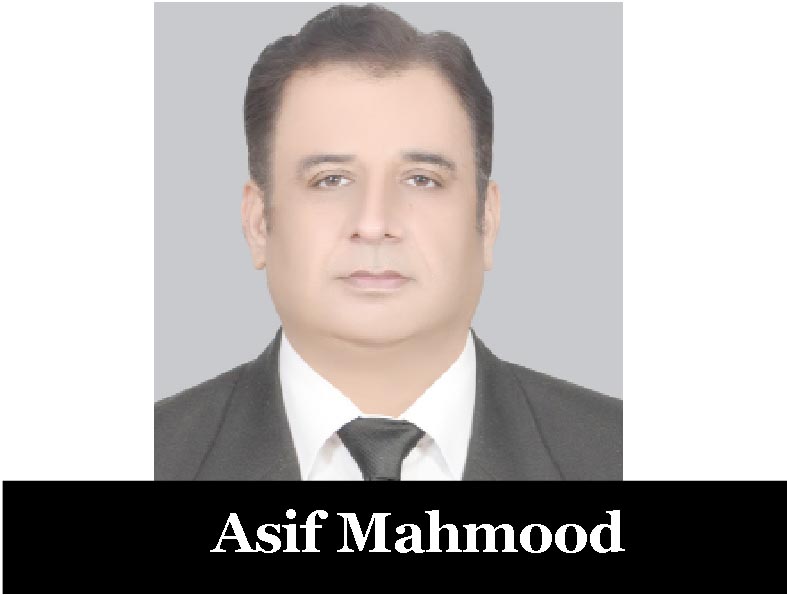
Asif Mahmood
This is neither an emotional claim nor an exaggeration. It is a historical fact that cannot be denied: the greatest benefactor of Deoband was Quaid-e-Azam Muhammad Ali Jinnah. Even if Abul Kalam Azad did not write this in his predictions, the day will come when Deoband will acknowledge this truth and express gratitude to Jinnah.

Few realize that without Quaid-e-Azam, it would have been almost impossible for institutions like Darul Uloom Deoband to survive after 1894. That year, the Privy Council of British India declared the “Waqf Alal-Aulad” as fraudulent, a decision that threatened to dismantle any institution founded under Islamic endowment principles. It was Jinnah who stood against this ruling and, after a long struggle, secured legal protection for Muslim endowments through legislation in 1913 passed by the British Imperial Legislative Council. This was a monumental achievement. One member of the Privy Council even congratulated Jinnah, saying, “Jinnah has made history.

Yet it seems the scholars of Deoband never felt the need to teach their students that among the silent protectors of thousands of institutions established under Muslim endowments was Muhammad Ali Jinnah. Devotees of Deoband often find comfort only in Abul Kalam Azad’s predictions, without studying Jinnah’s historical role and the legal safeguards he ensured.

Last year, India amended the same 1913 law created by Jinnah. The Vice-Chancellor of Deoband described this as an attack on Muslim religious heritage, and Maulana Arshad Madani went to the Supreme Court warning that the amendments could threaten mosques and other religious sites. If a change to the law is considered an attack on Muslim heritage, then what is the problem in recognizing Quaid-e-Azam as a protector of that very heritage? If even a minor amendment creates such concern, surely honoring Jinnah’s historical role cannot be controversial.

Quaid-e-Azam went on to lay the foundation of Pakistan. Whether one acknowledges it or not, the reality is that Deoband has found Jinnah’s Pakistan more appealing than Abul Kalam Azad’s India. A segment of Deoband is active in Pakistan, forming a central part of national politics, whereas the Deoband center in India remains politically sidelined, citing the excuse that they wish to focus solely on religious education. In truth, Deoband was fundamentally a political movement, yet it has withdrawn from political engagement in India. In Pakistan, however, Deoband-affiliated leaders like Maulana Fazlur Rehman are influential in both politics and Islamic discourse, commanding respect and authority that would be unimaginable in India.

In India, Deoband’s vulnerability to Hindutva has forced it to embrace secularism as a protective strategy. Secularism is now seen as a shield against the imposition of Hindutva. In Pakistan, Deoband enjoys influence and political clout. When Maulana Fazlur Rehman asserts himself, national politics responds. He is respected, unchallenged, and even considered suitable for high positions such as Leader of the Opposition.

Those who did not participate in the “creation” of Pakistan were embraced by the new state, given authority, and involved in decision-making. Those who remained in united India now complain that even a single Muslim Vice-Chancellor cannot be appointed.

Abul Kalam Azad may not have predicted this, but one day Deoband will have to accept that Jinnah’s Pakistan suited it more. There will come a time when Deoband will acknowledge its benefactor and express its gratitude.

Leave a Reply

Your email address will not be published. Required fields are marked *

Deoband Should be Grateful to Quaid-e-Azam

Link copied!

Asif Mahmood
This is neither an emotional claim nor an exaggeration. It is a historical fact that cannot be denied: the greatest benefactor of Deoband was Quaid-e-Azam Muhammad Ali Jinnah. Even if Abul Kalam Azad did not write this in his predictions, the day will come when Deoband will acknowledge this truth and express gratitude to Jinnah.

Few realize that without Quaid-e-Azam, it would have been almost impossible for institutions like Darul Uloom Deoband to survive after 1894. That year, the Privy Council of British India declared the “Waqf Alal-Aulad” as fraudulent, a decision that threatened to dismantle any institution founded under Islamic endowment principles. It was Jinnah who stood against this ruling and, after a long struggle, secured legal protection for Muslim endowments through legislation in 1913 passed by the British Imperial Legislative Council. This was a monumental achievement. One member of the Privy Council even congratulated Jinnah, saying, “Jinnah has made history.

Yet it seems the scholars of Deoband never felt the need to teach their students that among the silent protectors of thousands of institutions established under Muslim endowments was Muhammad Ali Jinnah. Devotees of Deoband often find comfort only in Abul Kalam Azad’s predictions, without studying Jinnah’s historical role and the legal safeguards he ensured.

Last year, India amended the same 1913 law created by Jinnah. The Vice-Chancellor of Deoband described this as an attack on Muslim religious heritage, and Maulana Arshad Madani went to the Supreme Court warning that the amendments could threaten mosques and other religious sites. If a change to the law is considered an attack on Muslim heritage, then what is the problem in recognizing Quaid-e-Azam as a protector of that very heritage? If even a minor amendment creates such concern, surely honoring Jinnah’s historical role cannot be controversial.

Quaid-e-Azam went on to lay the foundation of Pakistan. Whether one acknowledges it or not, the reality is that Deoband has found Jinnah’s Pakistan more appealing than Abul Kalam Azad’s India. A segment of Deoband is active in Pakistan, forming a central part of national politics, whereas the Deoband center in India remains politically sidelined, citing the excuse that they wish to focus solely on religious education. In truth, Deoband was fundamentally a political movement, yet it has withdrawn from political engagement in India. In Pakistan, however, Deoband-affiliated leaders like Maulana Fazlur Rehman are influential in both politics and Islamic discourse, commanding respect and authority that would be unimaginable in India.

In India, Deoband’s vulnerability to Hindutva has forced it to embrace secularism as a protective strategy. Secularism is now seen as a shield against the imposition of Hindutva. In Pakistan, Deoband enjoys influence and political clout. When Maulana Fazlur Rehman asserts himself, national politics responds. He is respected, unchallenged, and even considered suitable for high positions such as Leader of the Opposition.

Those who did not participate in the “creation” of Pakistan were embraced by the new state, given authority, and involved in decision-making. Those who remained in united India now complain that even a single Muslim Vice-Chancellor cannot be appointed.

Abul Kalam Azad may not have predicted this, but one day Deoband will have to accept that Jinnah’s Pakistan suited it more. There will come a time when Deoband will acknowledge its benefactor and express its gratitude.

Leave a Reply

Your email address will not be published. Required fields are marked *