Daily The Patriot

CM KPK and the Challenge of Counterterrorism

Link copied!

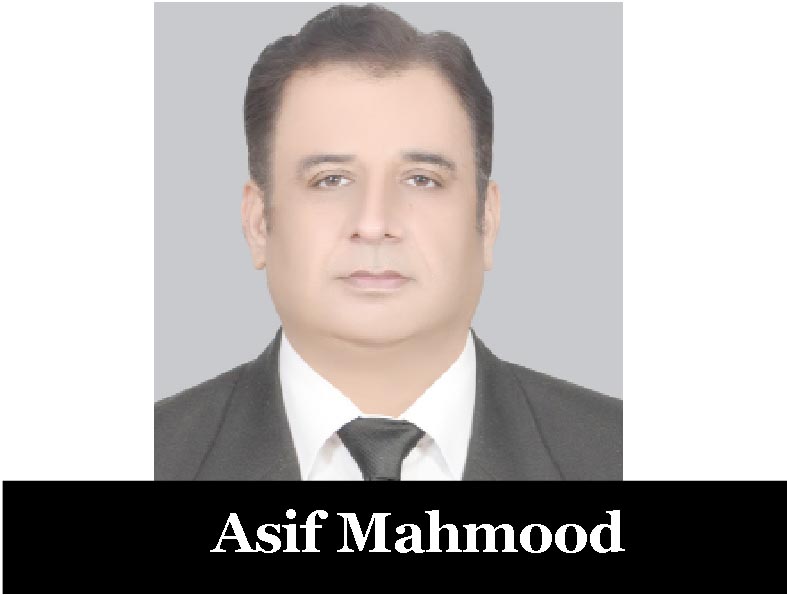
Asif Mahmood

The election of Suhail Afridi as the new Chief Minister of Khyber Pakhtunkhwa has drawn quiet concern in Islamabad. The reason lies not in personalities but in timing. The province is once again facing a wave of militant violence, and the leadership in Peshawar will play a decisive role in shaping Pakistan’s fight against terrorism.

Over the past year, terrorist activity has increased sharply in border districts such as Bannu, Dera Ismail Khan, Karak, and Lakki Marwat. Militants crossing over from Afghanistan have targeted security forces and police posts. These areas, once relatively stable, now face growing insecurity. Officials believe that even a brief pause in counterterrorism operations could allow militants to regroup and spread further across the province.

In his first speech after being elected, Chief Minister Afridi emphasized dialogue and political engagement. While the idea of talks is not new, Pakistan’s past experience with peace agreements offers difficult lessons. From the Shakai and Wana accords of the mid-2000s to the Swat agreements and later efforts in 2021, each attempt at reconciliation was followed by renewed violence. Militants used ceasefires to reorganize and expand their control rather than to pursue peace.

For years, Pakistan’s armed forces and law enforcement agencies have worked tirelessly to restore stability in the tribal and settled districts. Between 2014 and 2018, large parts of Khyber Pakhtunkhwa were cleared of extremist networks through coordinated operations. But the fragile peace that followed now faces new pressures from across the border.

The federal government, meanwhile, has tried to engage the Afghan authorities through multiple channels — diplomatic, religious, and political. Delegations led by senior scholars, tribal elders, and federal ministers have all visited Kabul to urge cooperation against cross-border militancy. Yet despite these efforts, attacks have continued, suggesting that words alone may not be enough.

In this complex environment, the new provincial government carries a heavy responsibility. It must coordinate closely with the federation and the security institutions to ensure that counterterrorism policies remain unified and consistent. Any ambiguity or division between Islamabad and Peshawar could embolden militant groups that thrive on uncertainty.

Khyber Pakhtunkhwa has suffered immensely over the past two decades. Its people have endured displacement, economic hardship, and repeated cycles of violence. What they need now is firm governance, intelligence cooperation, and a shared national approach to security — not a return to past experiments that have repeatedly failed.

The success or failure of the province’s new leadership will not only determine the security of Khyber Pakhtunkhwa but will also shape the broader stability of Pakistan itself.

Leave a Reply

Your email address will not be published. Required fields are marked *

CM KPK and the Challenge of Counterterrorism

Link copied!

Asif Mahmood

The election of Suhail Afridi as the new Chief Minister of Khyber Pakhtunkhwa has drawn quiet concern in Islamabad. The reason lies not in personalities but in timing. The province is once again facing a wave of militant violence, and the leadership in Peshawar will play a decisive role in shaping Pakistan’s fight against terrorism.

Over the past year, terrorist activity has increased sharply in border districts such as Bannu, Dera Ismail Khan, Karak, and Lakki Marwat. Militants crossing over from Afghanistan have targeted security forces and police posts. These areas, once relatively stable, now face growing insecurity. Officials believe that even a brief pause in counterterrorism operations could allow militants to regroup and spread further across the province.

In his first speech after being elected, Chief Minister Afridi emphasized dialogue and political engagement. While the idea of talks is not new, Pakistan’s past experience with peace agreements offers difficult lessons. From the Shakai and Wana accords of the mid-2000s to the Swat agreements and later efforts in 2021, each attempt at reconciliation was followed by renewed violence. Militants used ceasefires to reorganize and expand their control rather than to pursue peace.

For years, Pakistan’s armed forces and law enforcement agencies have worked tirelessly to restore stability in the tribal and settled districts. Between 2014 and 2018, large parts of Khyber Pakhtunkhwa were cleared of extremist networks through coordinated operations. But the fragile peace that followed now faces new pressures from across the border.

The federal government, meanwhile, has tried to engage the Afghan authorities through multiple channels — diplomatic, religious, and political. Delegations led by senior scholars, tribal elders, and federal ministers have all visited Kabul to urge cooperation against cross-border militancy. Yet despite these efforts, attacks have continued, suggesting that words alone may not be enough.

In this complex environment, the new provincial government carries a heavy responsibility. It must coordinate closely with the federation and the security institutions to ensure that counterterrorism policies remain unified and consistent. Any ambiguity or division between Islamabad and Peshawar could embolden militant groups that thrive on uncertainty.

Khyber Pakhtunkhwa has suffered immensely over the past two decades. Its people have endured displacement, economic hardship, and repeated cycles of violence. What they need now is firm governance, intelligence cooperation, and a shared national approach to security — not a return to past experiments that have repeatedly failed.

The success or failure of the province’s new leadership will not only determine the security of Khyber Pakhtunkhwa but will also shape the broader stability of Pakistan itself.

Leave a Reply

Your email address will not be published. Required fields are marked *