Daily The Patriot

Intellectual Cover for Separatist Politics

Link copied!

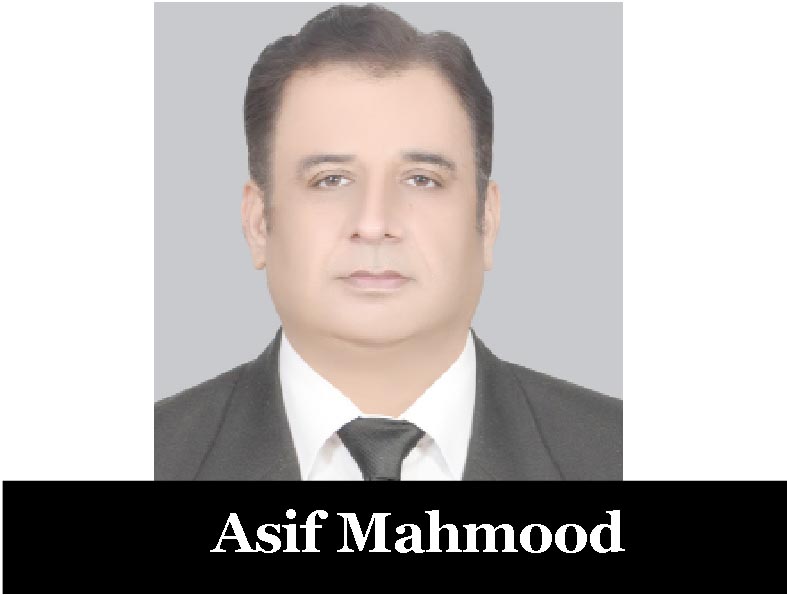
Asif Mahmood
When propaganda against the state is articulated under the veneer of intellectual discourse, it constitutes a deeply intricate challenge within the public sphere.
To remain unresponsive is to allow a discursive toxin to permeate the social fabric, eroding collective consciousness and producing outcomes that are both corrosive and destabilizing. At times, such narratives are intentionally disregarded under the pretext of responsibility, so as not to amplify them through inadvertent legitimization. Yet both strategies carry their own epistemic and political risks.
It remains, however, the normative responsibility of writers, academics, and public intellectuals to interrogate and contest such discourses when they surface. Even though the same dilemmas of visibility and legitimation persist in this context, the imperative to respond through critical writing cannot be abandoned.
A recent example illustrates the issue. Aimal Khattak’s  “Pashtoon Muzahmat aur Riasat” claims to be an academic study of Pashtun grievances. At first glance, it appears to fit within the tradition of political history or ethnic studies. But a closer reading shows that it is not balanced research. It is politicised storytelling. The book undermines Pakistan’s unity, dismisses the country’s sacrifices in the war on terror, and paints state policies as inherently repressive. Crucially, it ignores the many examples of Pashtun integration into the armed forces, politics, and cultural life. This silence is not accidental. It is part of a selective narrative designed to elevate separatist themes and suppress the reality of inclusion.
Most troubling of all is the book’s cover. The map displayed there excludes Jammu and Kashmir from Pakistan. This is not a careless mistake. It is a political act. Such a distortion violates the Surveying and Mapping (Amendment) Act of 2020, which imposes strict penalties for altering Pakistan’s territorial boundaries. More than that, it symbolically undermines Pakistan’s constitutional and diplomatic stance on Kashmir, a stance central to the state’s identity since independence. To present such a map is to echo separatist agendas, deliberately or otherwise.
This does not mean that Pashtun concerns should be dismissed. Real grievances, whether in the fields of development, political participation, or cultural recognition, demand serious attention. Pashtuns have always been central to Pakistan’s story. They have defended its borders, led in its politics, and enriched its culture. They bore a heavy share of the sacrifices in the war on terror, yet their loyalty to the state has never wavered. To suggest otherwise is not only false but a grave injustice to their contribution.
What must be resisted are attempts to dress separatism in academic language or to distort history for political ends. Such efforts cannot be allowed to slip through under the banner of academic freedom. Regulators must uphold the law, while academics and media must expose biases and provide context. Only then can society distinguish between fair criticism of state policy and propaganda aimed at eroding the state itself.
Propaganda disguised as scholarship is among the most insidious threats to national unity. To ignore it is to allow poison to circulate unchecked. To confront it is to take risks but also to fulfill the responsibility of defending truth. The controversy around Khattak’s book is about more than one publication. It raises a broader question of principle. Intellectual spaces must never be used to weaken Pakistan’s cohesion. Pashtuns are not resisting Pakistan. They are part of its strength.

ReplyForwardAdd reaction

Leave a Reply

Your email address will not be published. Required fields are marked *

Intellectual Cover for Separatist Politics

Link copied!

Asif Mahmood
When propaganda against the state is articulated under the veneer of intellectual discourse, it constitutes a deeply intricate challenge within the public sphere.
To remain unresponsive is to allow a discursive toxin to permeate the social fabric, eroding collective consciousness and producing outcomes that are both corrosive and destabilizing. At times, such narratives are intentionally disregarded under the pretext of responsibility, so as not to amplify them through inadvertent legitimization. Yet both strategies carry their own epistemic and political risks.
It remains, however, the normative responsibility of writers, academics, and public intellectuals to interrogate and contest such discourses when they surface. Even though the same dilemmas of visibility and legitimation persist in this context, the imperative to respond through critical writing cannot be abandoned.
A recent example illustrates the issue. Aimal Khattak’s  “Pashtoon Muzahmat aur Riasat” claims to be an academic study of Pashtun grievances. At first glance, it appears to fit within the tradition of political history or ethnic studies. But a closer reading shows that it is not balanced research. It is politicised storytelling. The book undermines Pakistan’s unity, dismisses the country’s sacrifices in the war on terror, and paints state policies as inherently repressive. Crucially, it ignores the many examples of Pashtun integration into the armed forces, politics, and cultural life. This silence is not accidental. It is part of a selective narrative designed to elevate separatist themes and suppress the reality of inclusion.
Most troubling of all is the book’s cover. The map displayed there excludes Jammu and Kashmir from Pakistan. This is not a careless mistake. It is a political act. Such a distortion violates the Surveying and Mapping (Amendment) Act of 2020, which imposes strict penalties for altering Pakistan’s territorial boundaries. More than that, it symbolically undermines Pakistan’s constitutional and diplomatic stance on Kashmir, a stance central to the state’s identity since independence. To present such a map is to echo separatist agendas, deliberately or otherwise.
This does not mean that Pashtun concerns should be dismissed. Real grievances, whether in the fields of development, political participation, or cultural recognition, demand serious attention. Pashtuns have always been central to Pakistan’s story. They have defended its borders, led in its politics, and enriched its culture. They bore a heavy share of the sacrifices in the war on terror, yet their loyalty to the state has never wavered. To suggest otherwise is not only false but a grave injustice to their contribution.
What must be resisted are attempts to dress separatism in academic language or to distort history for political ends. Such efforts cannot be allowed to slip through under the banner of academic freedom. Regulators must uphold the law, while academics and media must expose biases and provide context. Only then can society distinguish between fair criticism of state policy and propaganda aimed at eroding the state itself.
Propaganda disguised as scholarship is among the most insidious threats to national unity. To ignore it is to allow poison to circulate unchecked. To confront it is to take risks but also to fulfill the responsibility of defending truth. The controversy around Khattak’s book is about more than one publication. It raises a broader question of principle. Intellectual spaces must never be used to weaken Pakistan’s cohesion. Pashtuns are not resisting Pakistan. They are part of its strength.

ReplyForwardAdd reaction

Leave a Reply

Your email address will not be published. Required fields are marked *