Daily The Patriot

The country cannot be safe from natural disasters without increasing water storage capacity, says the Prime Minister

Link copied!

Prime Minister Shahbaz Sharif has said that formulating short, medium and long-term policies to deal with the flood situation is the need of the hour. Without increasing the water storage capacity, the country cannot be safe from natural disasters.

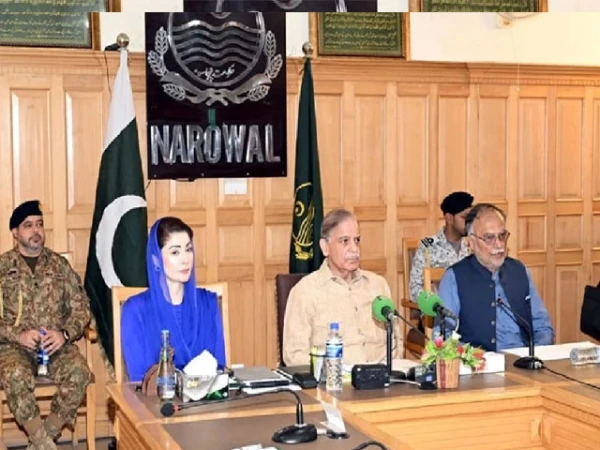
The Prime Minister said during a briefing on the occasion of his visit to the flood-affected areas in Narowal that Pakistan is among the 10 countries most affected by climate change. Only the federation, provinces and institutions can deal with this challenge together.

He said that due to the early warning system, the damage has been minimal. If we focus on the construction of dams and small reservoirs from now, we can avoid future losses.

The Chairman NDMA said that due to unusual rains in Indian-occupied Jammu and Kashmir and Sialkot region, rivers have overflowed. There is a storage of 1 million cusecs in Khanki and Qadirabad, while the water flow at the Ganda Singhwala head has increased further.

Punjab Chief Minister Maryam Nawaz said that Narowal is the worst-affected district, the situation worsened due to unusual rains and water release by India, however, the safe evacuation of people was possible due to the advance information system.

She said that all institutions are mobilized to help the victims, 1,000 field clinics have been set up, while fodder and water are also being arranged for livestock.

Federal Minister for Planning Professor Ahsan Iqbal, while recommending declaring Narowal a disaster area, said that there is a need to accelerate relief and rescue efforts and strengthen the infrastructure.

The Prime Minister appreciated the performance of all institutions, the Pakistan Army and the civil administration helping the victims and said that compensation will be paid for the damage to the damaged crops and houses.

Earlier, the Prime Minister, accompanied by Punjab Chief Minister Maryam Nawaz, visited the flood-affected areas of the province.

Before departure and during the aerial survey, the Prime Minister was given a detailed briefing on the flood situation by the Chairman of the National Disaster Management Authority (NDMA), Lieutenant General Inam Haider.

The Prime Minister was informed about the flooding in the rivers of Punjab, the inundated areas and the ongoing rescue and relief operations. During the aerial survey, the Prime Minister directed the concerned agencies to take all necessary steps immediately to deal with the flood situation.

Punjab Chief Minister Maryam Nawaz Sharif also left Lahore for Narowal with the Prime Minister. During the journey, the two leaders discussed the flood situation and relief measures. The Chairman of the NDMA provided continuous briefings.

Upon arrival in Narowal, the Prime Minister and the Chief Minister will be given a detailed briefing on the flood-affected areas, relief for the victims, rehabilitation measures and the future course of action.

Leave a Reply

Your email address will not be published. Required fields are marked *

The country cannot be safe from natural disasters without increasing water storage capacity, says the Prime Minister

Link copied!

Prime Minister Shahbaz Sharif has said that formulating short, medium and long-term policies to deal with the flood situation is the need of the hour. Without increasing the water storage capacity, the country cannot be safe from natural disasters.

The Prime Minister said during a briefing on the occasion of his visit to the flood-affected areas in Narowal that Pakistan is among the 10 countries most affected by climate change. Only the federation, provinces and institutions can deal with this challenge together.

He said that due to the early warning system, the damage has been minimal. If we focus on the construction of dams and small reservoirs from now, we can avoid future losses.

The Chairman NDMA said that due to unusual rains in Indian-occupied Jammu and Kashmir and Sialkot region, rivers have overflowed. There is a storage of 1 million cusecs in Khanki and Qadirabad, while the water flow at the Ganda Singhwala head has increased further.

Punjab Chief Minister Maryam Nawaz said that Narowal is the worst-affected district, the situation worsened due to unusual rains and water release by India, however, the safe evacuation of people was possible due to the advance information system.

She said that all institutions are mobilized to help the victims, 1,000 field clinics have been set up, while fodder and water are also being arranged for livestock.

Federal Minister for Planning Professor Ahsan Iqbal, while recommending declaring Narowal a disaster area, said that there is a need to accelerate relief and rescue efforts and strengthen the infrastructure.

The Prime Minister appreciated the performance of all institutions, the Pakistan Army and the civil administration helping the victims and said that compensation will be paid for the damage to the damaged crops and houses.

Earlier, the Prime Minister, accompanied by Punjab Chief Minister Maryam Nawaz, visited the flood-affected areas of the province.

Before departure and during the aerial survey, the Prime Minister was given a detailed briefing on the flood situation by the Chairman of the National Disaster Management Authority (NDMA), Lieutenant General Inam Haider.

The Prime Minister was informed about the flooding in the rivers of Punjab, the inundated areas and the ongoing rescue and relief operations. During the aerial survey, the Prime Minister directed the concerned agencies to take all necessary steps immediately to deal with the flood situation.

Punjab Chief Minister Maryam Nawaz Sharif also left Lahore for Narowal with the Prime Minister. During the journey, the two leaders discussed the flood situation and relief measures. The Chairman of the NDMA provided continuous briefings.

Upon arrival in Narowal, the Prime Minister and the Chief Minister will be given a detailed briefing on the flood-affected areas, relief for the victims, rehabilitation measures and the future course of action.

Leave a Reply

Your email address will not be published. Required fields are marked *